
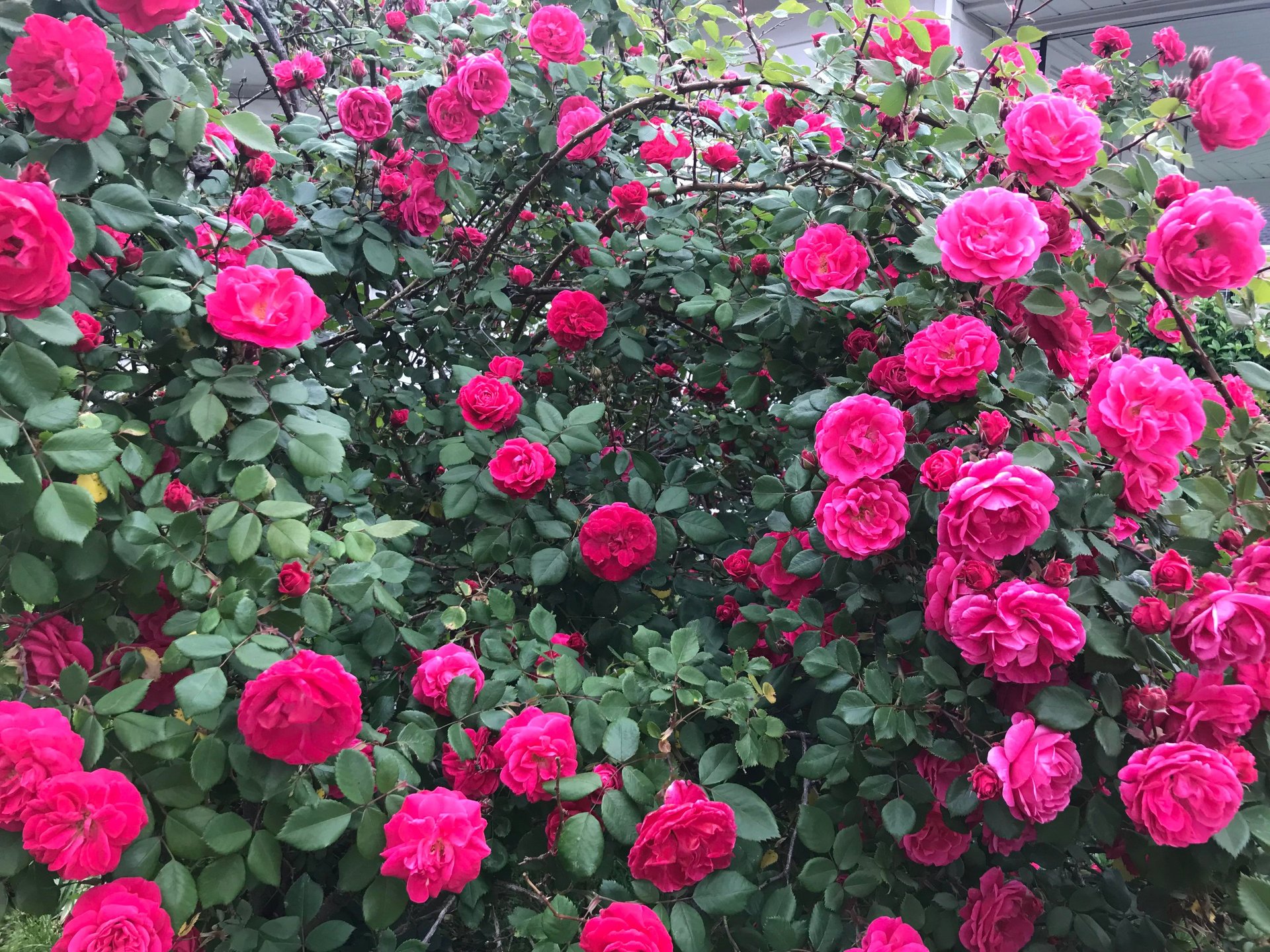
ultimate The guide to winter outdoor flowering plants
Winter doesn’t have to mean dull gardens! With the right flowering plants, your outdoor space can stay colorful and lively even in the cold months. Some of the best winter bloomers include Pansies, Calendulas, Petunias, and Snapdragons — all known for their bright hues and resilience. Chrysanthemums and Dianthus also add charm with minimal care. To keep these beauties thriving, plant them in well-draining soil and ensure they get enough sunlight during short winter days. Water sparingly, avoiding soggy roots. Adding organic mulch helps retain warmth and moisture. Whether you have a balcony garden or a backyard, winter flowering plants can transform your space into a cheerful retreat. Choose a mix of colors and varieties to enjoy blooms that brighten even the coldest days!
SOMA ROY
11/8/20257 min read
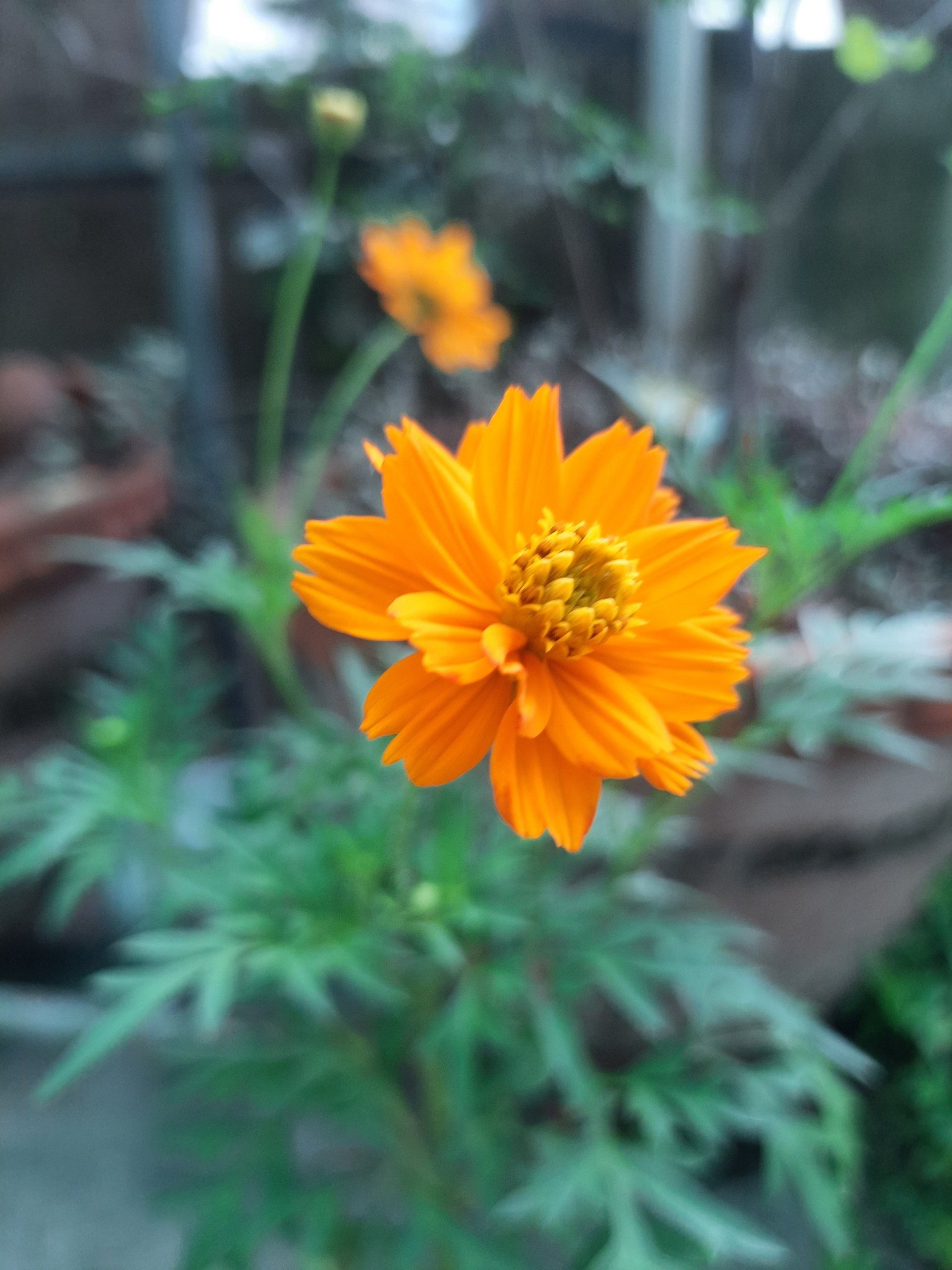
Why choose winter outdoor flowering Plants for your garden?
Don't you understand how to best plant winter flowering plants on your small balcony?
Winter flowering plants add vibrant color to your garden during the coldest month when most other plants are dormant. Many winter flowering plants are hardy and frost hardy. Many winter-flowering plants are poorly maintained. This makes them an excellent choice for gardeners looking for plants that are easy to maintain.
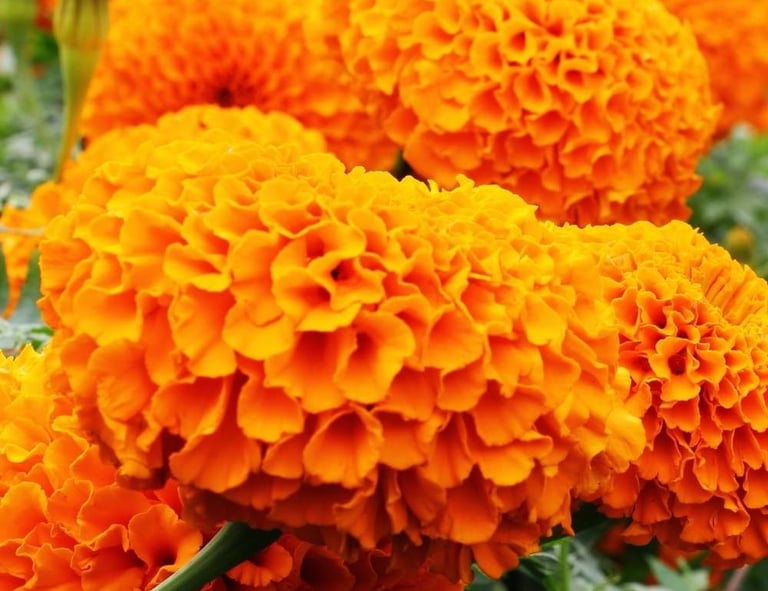
MARYGOLD
A popular and versatile flower, marigolds are known for their bright and unique colors. Here are some basic facts about Marigold
Procedure : Usually dense blooms of yellow, orange and red. Flowers can be monocotyledonous or dicotyledonous. Plants range from 6 inches to 3 feet tall, depending on variety.
African marigold (Tagetes erect) : large flowers and plants
French marigolds (Tagetes patola) : small, hardy plants
Signet Marigolds (Tagetes tenuifolia) : Delicate flowers with edible flowers
Growing conditions : Prefer full sun, Plant in well-drained soil, Drought resistant once established, Grows annually in most places
Benefits : Easy to grow from seed, It blooms throughout the growing season with care, Attract bees and moths and other beneficial insects
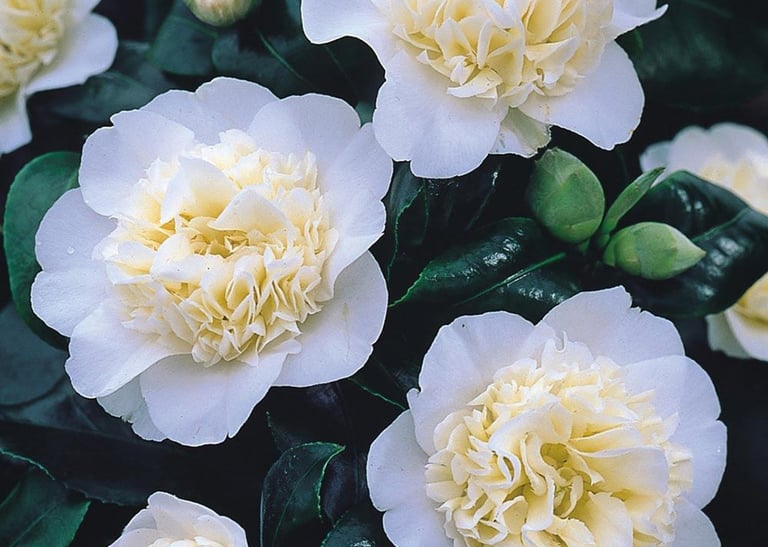
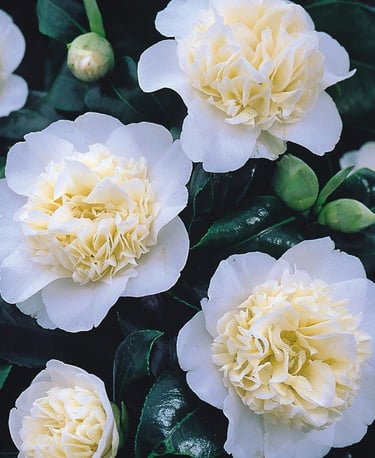
CAMELLIA
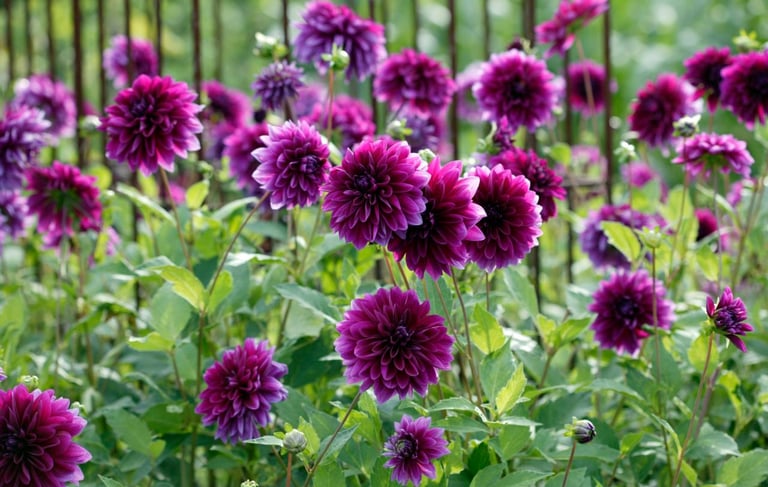
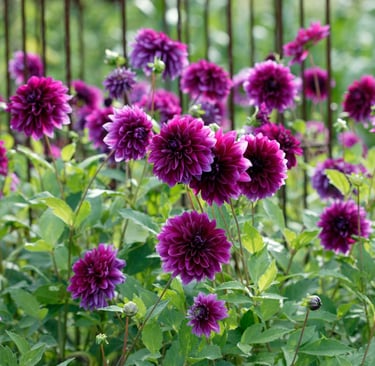
DAHLIA
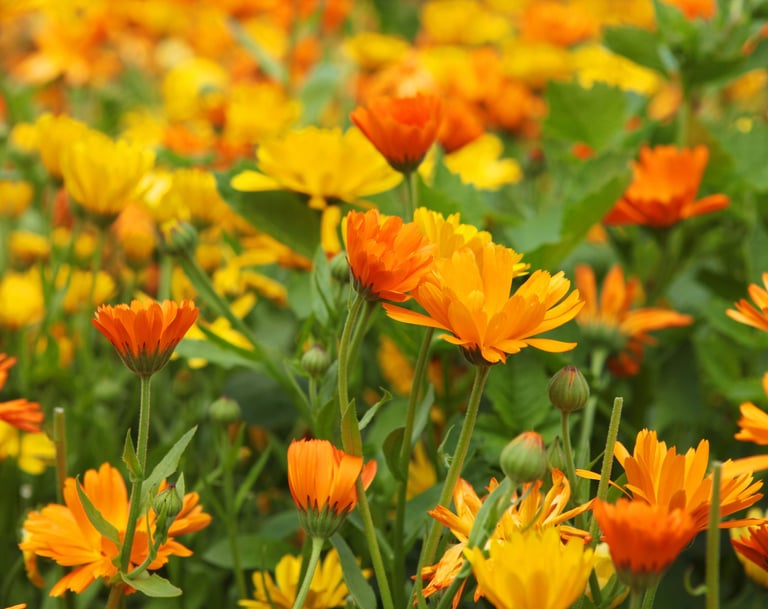
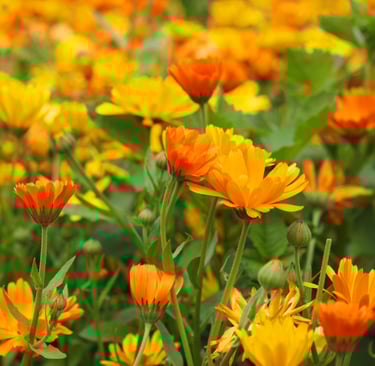
CALENDULA
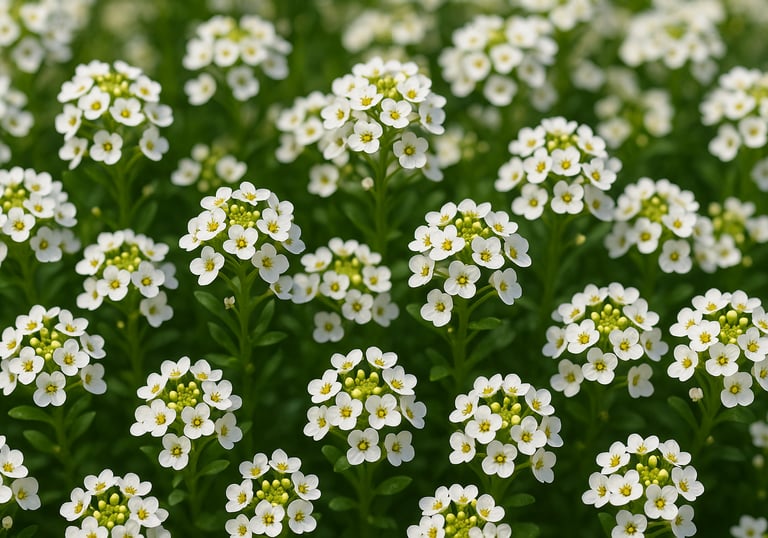
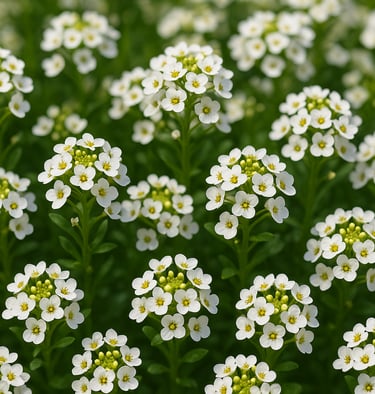
ALLYSUM
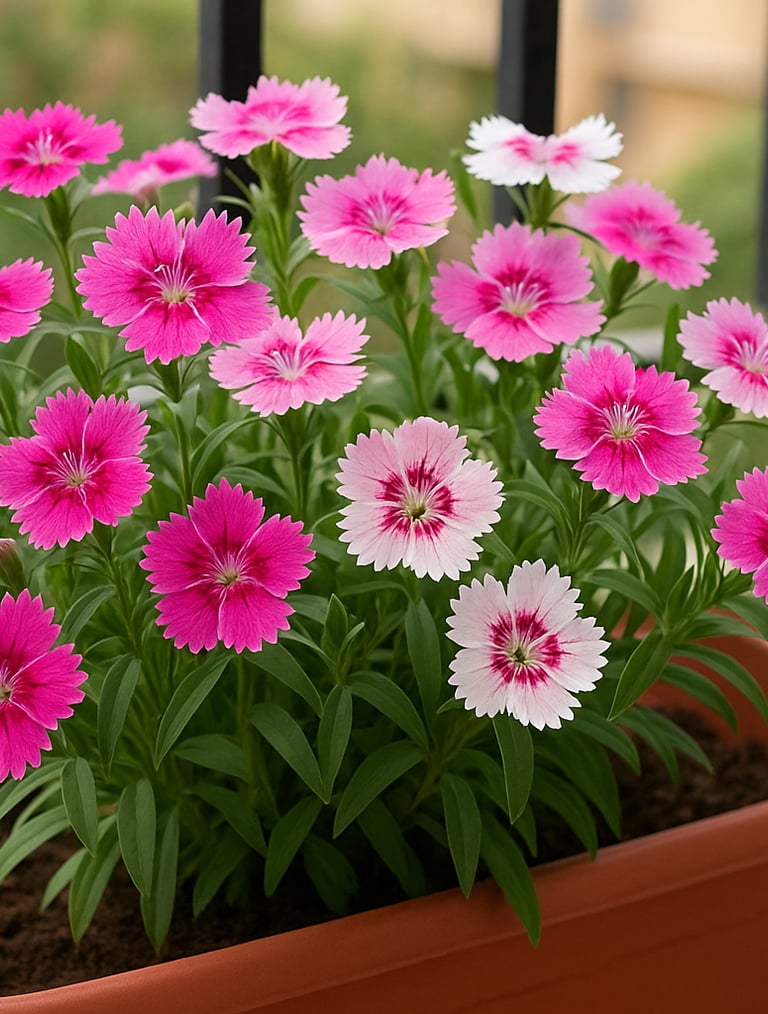
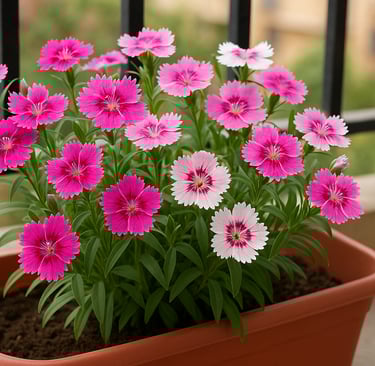
Dianthus
Camellia are flowering plants in the Thyaceae family. Some basic information about camellias:
Origin: Native to East and South Asia.
Appearance: Evergreen shrubs or small trees with shiny, dark green leaves and large, showy flowers.
Flowers: Usually 5-12 cm in diameter, with 5-9 petals. Colors range from white to pink and purple, with some yellow.
Popular species: Camellia japonica (common camellia).
Camellia sinensis (plant tea).
Sacred camellia (sacred camellia).
Applications: Ornamental plants in gardens Tea (C. sinensis).
Certain drugs used in traditional medicine
Symbolism: In some cultures, camels symbolize love, affection and happiness.
Agriculture: Prefer acid soil, good drainage and partial shade. It is usually difficult in hot climates.
Dahlias are beautiful and popular flowers known for their vibrant colors and patterns. Here are some basic facts about Dahlia:
Origin: For Mexico and Central America, the dahlia was first discovered by Spanish botanists in the 16th century.
Appearance: Dahlias come in a variety of colors, shapes and sizes. Their flowers can range from small pom-poms to flowers the size of large dinner plates.
Colors: Dahlias come in almost every color except true blue. It can be a solid color, two colors, or multiple colors.
Varieties: There are many varieties of dahlias, including single, double, cactus, pompon and ornamental varieties.
Growing season: Dahlias typically bloom from mid-summer to fall, adding color to seasonal gardens.
Calendula is a versatile and popular flower. Here is a brief overview of the calendula flower.
Scientific name: Calendula officinalis, commonly known as pot marigold
Procedure: Daisy-like flowers with bright orange and red petals Flowers usually 2-3 inchesPlants grow 1-2 feet tall
Growing conditions: Full sun to part shade Well-drained soil , Lower demand for water.
Flowering season: Summer to fall, sometimes year-round in temperate climates
Applications: Ornamental gardens Cooking (edible leaves used in salads or as a substitute for saffron);
Medical (skin care, wound healing) .
Natural resources
Interest: Attracts pollinators , Insecticides in gardens, Easy to grow and maintain
Cultural understanding:
In some traditions of protection and healing .
October birth flowers .
Alyssum is a popular garden flower known for its delicacy and fragrance. Here are some highlights about alyssum.
Appearance: Alyssum bears small flowers in clusters of four petals. They are usually white, but they can also be found in shades of pink, purple and yellow.
Growth Habit: This is a low growing plant, often used as a ground cover or in a rock garden. It usually reaches a height of 4-6 inches (10-15 cm).
Flowering season: Alyssum is known for its long flowering season, typically blooming from spring to fall in many climates.
Growing conditions: Prefers full sun and well-drained soil to partial shade. Once established, it is relatively drought tolerant.
Gardening use: Alyssum is popular for borders, hedges, rock gardens and hanging baskets. They are also used to fill gaps between stepping stones.
Flowers attracted by pollinators: The sweet flowers attract bees and butterflies, making them an excellent choice for a pollinator garden.
Easy maintenance: Alyssum is generally low maintenance and able to re-engage under favorable conditions.
Common Name: Also known as Sweet Alyssum or Sweet Allison.
Winter is the perfect season to bring color to your balcony or terrace with blooming flowers that thrive in the cold. Plants like dianthus, petunia, alyssum, pansy, and marigold love the crisp weather and reward you with bright, long-lasting blooms. These winter-friendly flowers grow beautifully in pots and railing planters, making them ideal for small spaces. With a bit of sunlight and light watering, your balcony or terrace can stay vibrant and cheerful all through the winter months.
Dianthus, popularly known as Pink, Sweet William, or Carnation family bloom, is one of the easiest and most rewarding winter flowers for balconies and terraces. Their bright pink, red, white, and bi-colored blooms add instant charm to small spaces, and their light, spicy fragrance makes them even more delightful for home gardeners.
Why Dianthus Is Perfect for Balcony Gardening ?
· Thrives in Winter Sun: Dianthus loves cool weather and grows best in the bright winter sun, making it ideal for Indian balconies from November to February.
· Compact Plant Size: Its neat and bushy growth fits well in small pots, railing planters, or terrace containers.
· Continuous Blooms: With proper sunlight, Dianthus keeps blooming for weeks, giving your balcony a fresh, colorful look all winter.
· Low Maintenance: Needs minimal care — just regular sunlight and light watering.
· Fragrant Flowers: The gentle clove-like fragrance adds a pleasant touch to your outdoor space.
· Attracts Pollinators: Butterflies and bees love Dianthus, helping create a healthier balcony ecosystem.
Tips for Balcony Dianthus
· Keep the plants in full sunlight for 4–6 hours.
· Use well-draining soil with compost.
· Water only when the topsoil looks dry.
· Remove dried flowers to Care encourage Basic fresh blooms.
· Protect from heavy rain or frost.
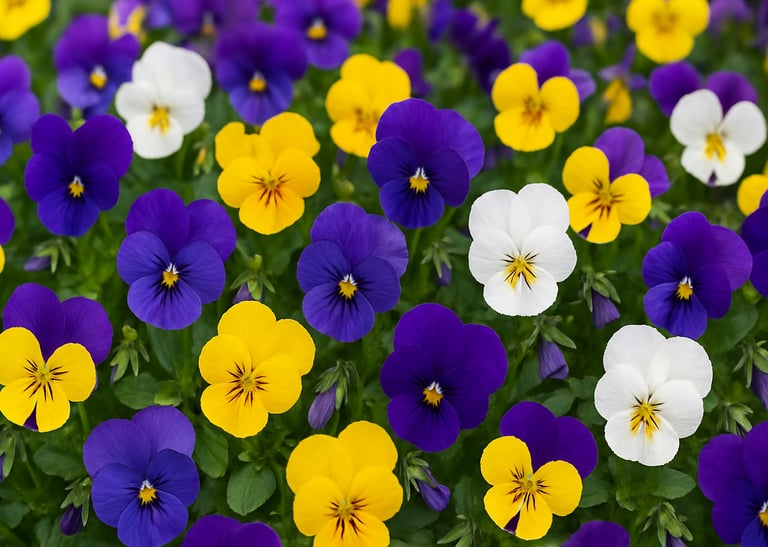
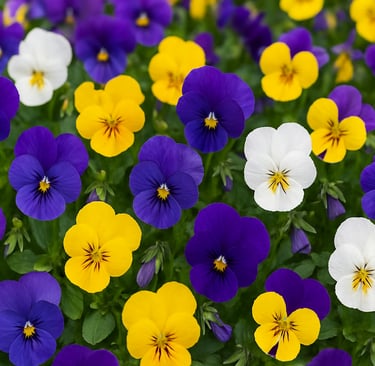
pansies
Pansies are one of the most beloved winter flowers, known for their bright “smiling faces” and vibrant colors. These hardy blooms thrive beautifully in India’s cool winter climate, making them an ideal choice for balcony pots, railing planters, and terrace gardens
Why Pansies Are Perfect for Winter Gardening ?
Cold-loving blooms – Flourish in temperatures between 7–20°C
Rich color variety – Purple, yellow, white, orange, blue & bicolor
Long flowering season – Blooms continuously from November to March
Low maintenance – Ideal for beginners and busy plant lovers
Great for decor – Adds instant charm to balcony railings and terrace corners
Basic Care Tips
Sunlight: 4–5 hours of bright morning sun
Soil: Well-draining mix with compost
Watering: Keep the soil slightly moist; avoid overwatering
Deadheading: Remove faded flowers to encourage continuous blooms
Pansies are perfect for anyone looking to bring winter cheer into their home garden. Their charming colors and easy care make them a must-have flower for your seasonal plant collection.
Petunia
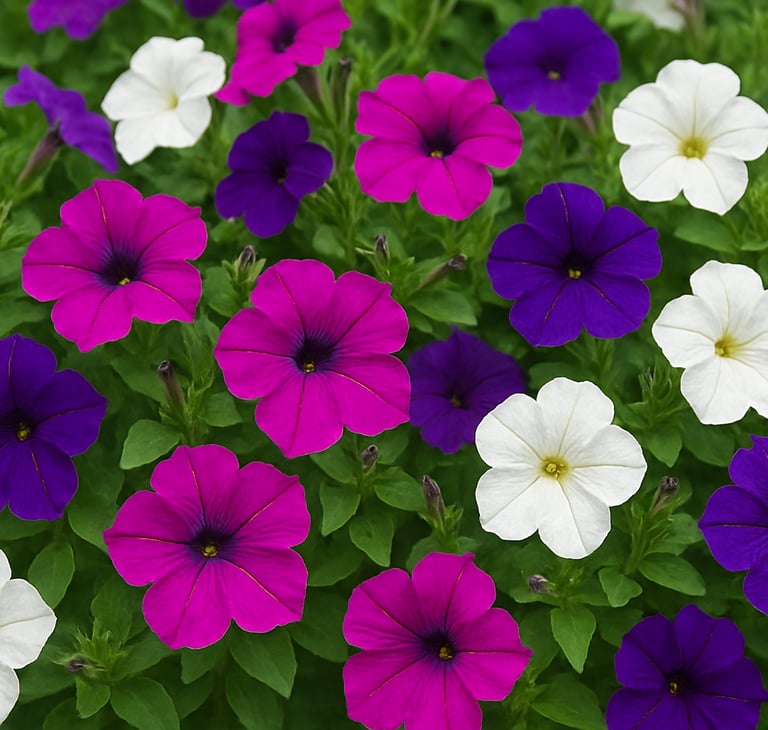
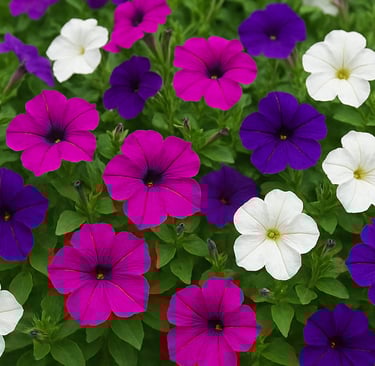
Petunia is one of the most popular and vibrant winter-flowering plants, loved for its wide colour palette and long blooming season. At PlantPaathshala, we consider Petunia a must-have for every balcony, terrace, and home garden because of its easy maintenance and stunning visual appeal. From soft pastels to deep purples and bright reds, Petunias add instant charm to any space.
Why Petunia is Perfect for Your Balcony
Petunias thrive beautifully in cool winter weather, producing abundant blooms from late winter to early summer. Their trailing varieties make them ideal for hanging baskets, while compact varieties sit perfectly in pots, railing planters, and window boxes. Their bright petals and gentle fragrance also attract butterflies, adding extra liveliness to your garden.
How to Care for Petunia
Sunlight: Needs 4–6 hours of bright sunlight daily.
Watering: Keep the soil slightly moist but avoid overwatering.
Soil: Use a well-draining mix with compost for healthier blooms.
Maintenance: Remove dried flowers (deadheading) to encourage continuous blooming.
Feeding: A liquid fertilizer every 10–12 days boosts flower growth.
Why Petunia Belongs in Every Home Garden
If you're looking for a winter plant that brings steady blooms, comes in endless colours, and suits both beginners and experienced gardeners, Petunia is the perfect choice. Its cheerful flowers uplift balconies, terraces, and even small window spaces—making your home garden vibrant all season long.
Best Flowering Plants for Winter Balcony or Terrace Care
Winter is the perfect season to turn your balcony or terrace into a colourful mini-garden. Many hardy flowering plants thrive in the cool weather with minimal care. Popular winter bloomers like Petunia, Dianthus, Alyssum, Marigold, Pansies, and Calendula grow beautifully in pots and railing planters. Choose a sunny spot, water only when the top soil feels dry, and use well-draining potting mix to prevent root rot. Adding organic compost every 15–20 days keeps the plants lush and blooming. With simple care, your winter balcony can stay bright, fragrant, and full of vibrant flowers all season long.
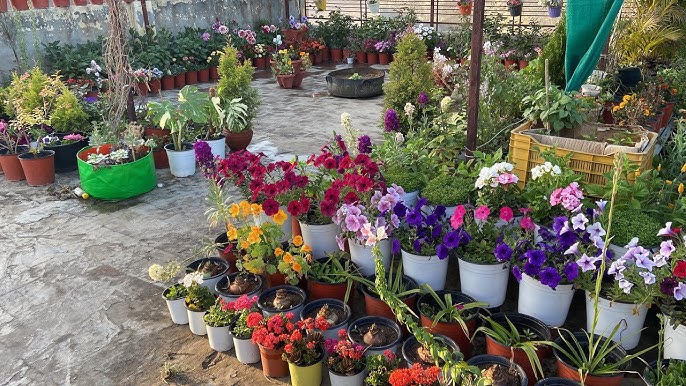
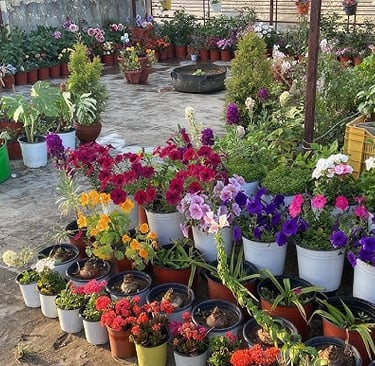
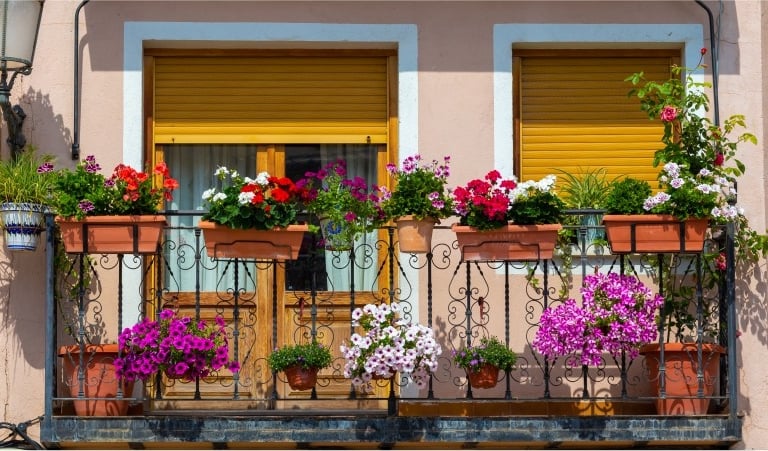
Celebrate the Magic of Winter Blooms
Winter may bring a chill to the air, but your balcony, terrace, or garden doesn’t have to look dull. With the right flowering plants, the season transforms into a colorful celebration. From pansies and petunias to dianthus and alyssum, winter flowers not only brighten your space but also bring life, fragrance, and freshness when everything else feels quiet. Whether you're a beginner or a plant enthusiast, choosing the right winter bloomers ensures beauty with minimal effort. So this winter, let your home garden glow with vibrant petals and remind you that nature always finds a way to bloom—no matter the season.
Tips for Balcony Dianthus
· Keep the plants in full sunlight for 4–6 hours.
· Use well-draining soil with compost.
· Water only when the topsoil looks dry.
· Remove dried flowers to Care encourage Basic fresh blooms.
· Protect from heavy rain or frost.

Nurture
Explore plants for every Indian home climate.
Care
Decor
© 2024. All rights reserved.
BLOG
contact : +91 9830917458
plantpaathshala@gmail.com