
The Magic of Indoor Plants: Transform Your Indian Home into a Green Oasis
"Transform your Indian home into a green oasis with indoor plants. Discover their benefits for air purification, stress relief, and aesthetic appeal. Learn how to choose the right plants for your space and create a healthier, more vibrant living environment."
Soma Roy
6/14/20255 min read
In the bustling urban landscapes of India, where concrete structures dominate and air quality issues are prevalent, indoor plants have emerged as unsung heroes. Whether you reside in the humid climate of Mumbai, the dry heat of Delhi, or the pleasant weather of Bangalore, incorporating greenery into your home can significantly enhance both your living environment and overall health.


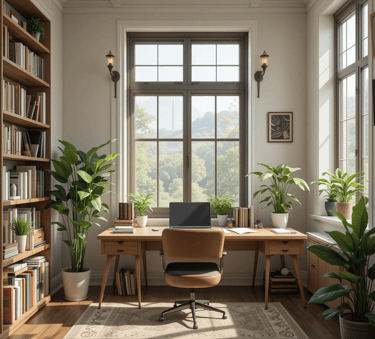
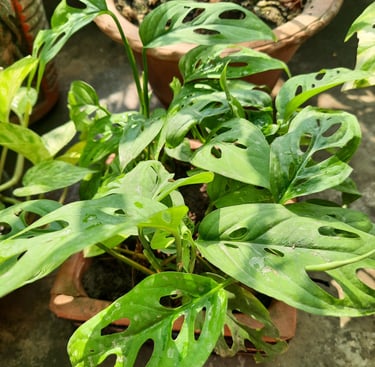
Why indoor plants are good for Indian homes ?
The Indian climate offers unique opportunities for indoor gardening with different seasons and temperature variations. Indian homes, typically designed with plenty of natural ventilation and indirect sunlight, provide the ideal environment for raising green companions. More importantly, in a country where Ayurveda and natural living have been part of our heritage for thousands of years, indoor plants are in perfect sync with our traditional wisdom of living in harmony with nature.
The Power-Packed Benefits of Indoor Plants
In Indian cities where air pollution is always a challenge, some plants are good for purifying indoor air.
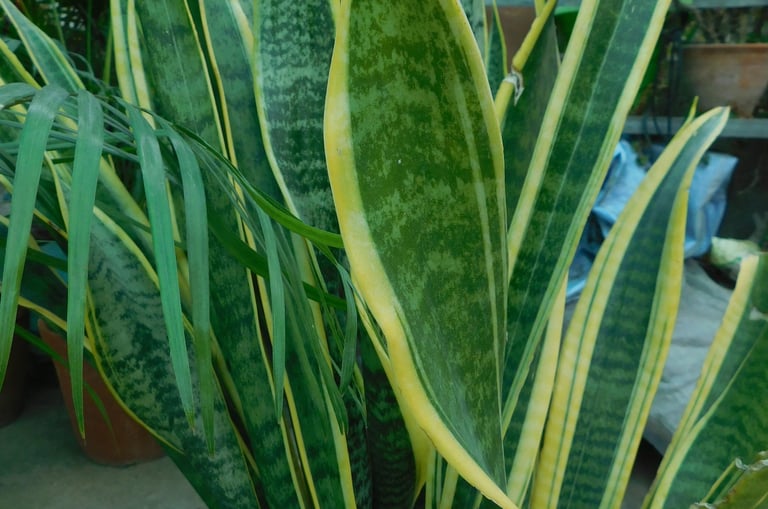
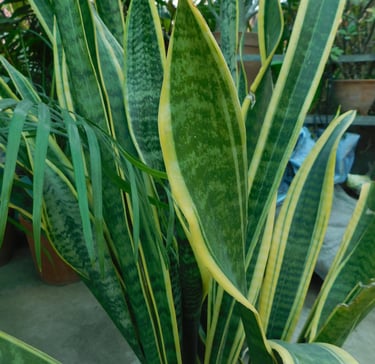
Snake Plant (Mother-in-Law's Tongue):
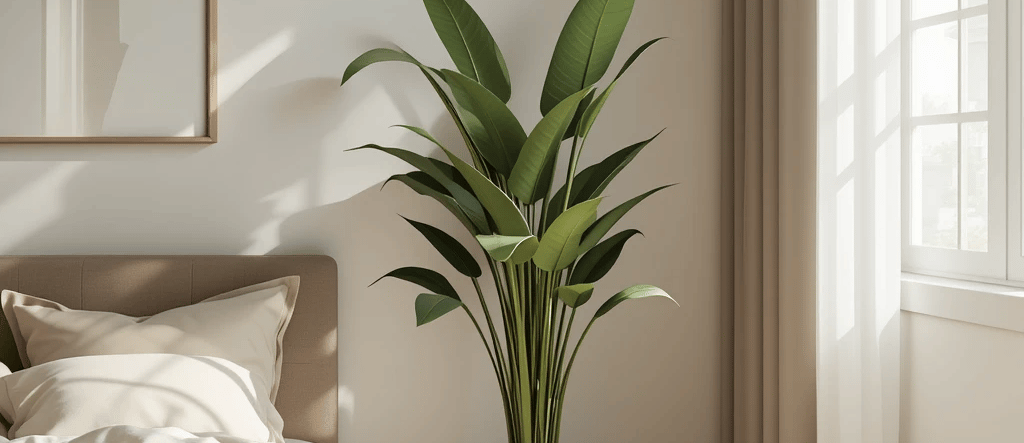
Known as 'Nagini' in many Indian homes, this hardy plant is perfect for bedrooms as it emits fresh air at night and thrives in the rainy and sunny climate, requiring little maintenance.
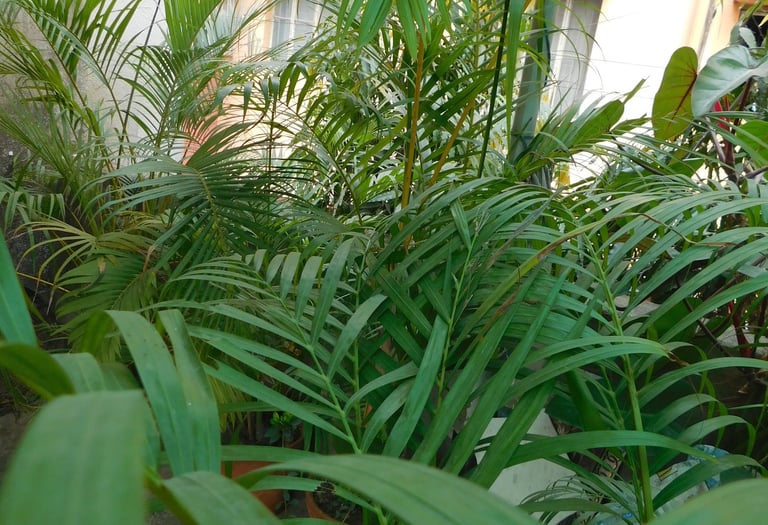
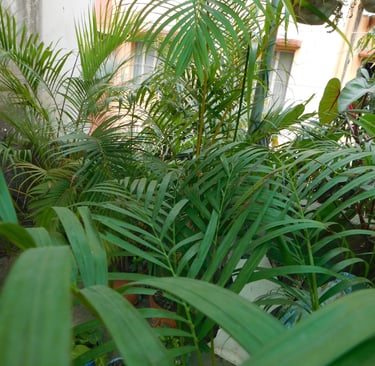
Areca Palm:
Often referred to as a ‘green ai conditioner’, it is particularly effective in humid conditions and adds a tropical touch to your space.
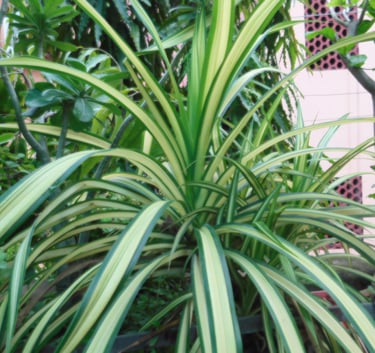
Spider Plant; An excellent choice for Indian patios and semi-outdoor spaces, known for removing toxic substances from common homes.
Stress-Busters for Modern Living
The fast pace of our city life often causes stress and anxiety. These plants can help create a tranquil atmosphere:
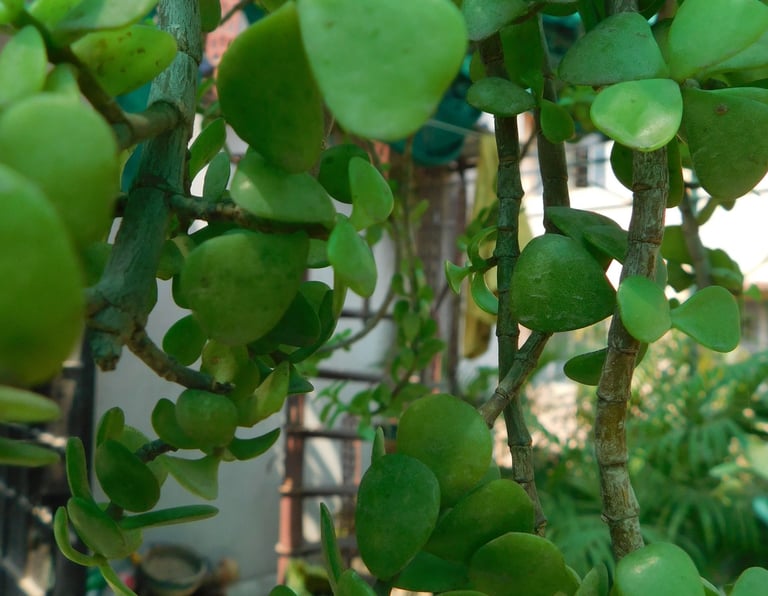
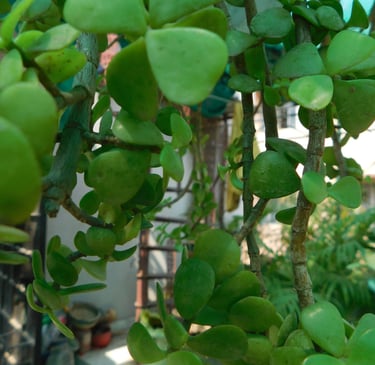
Jade Plant (Golden Plant):
Considered auspicious in Vastu and believed to bring prosperity, its presence alone can reduce anxiety.
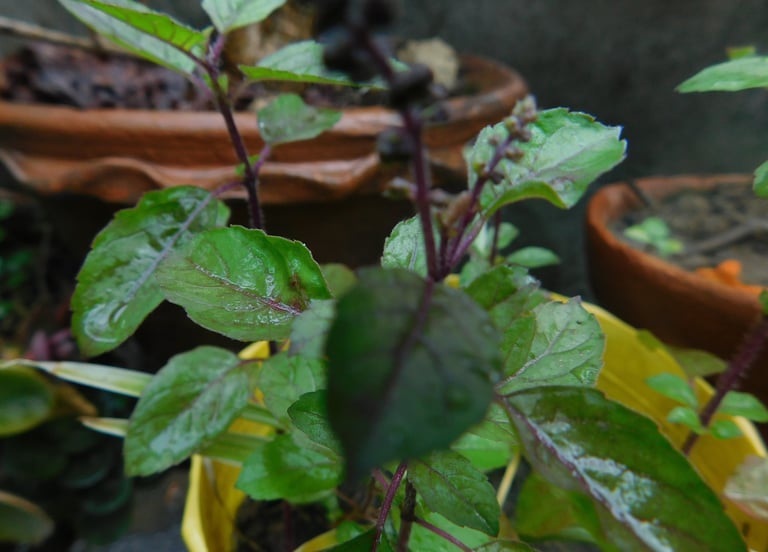
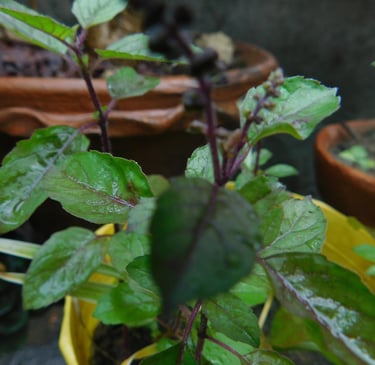
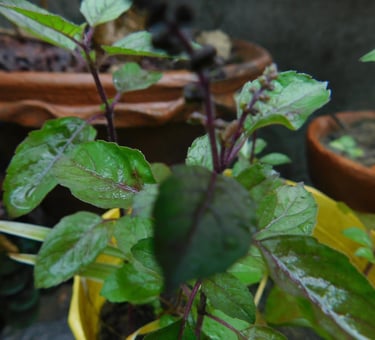
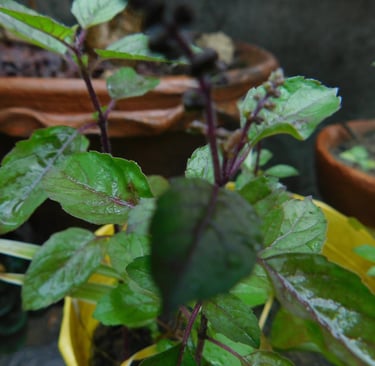
Holy Basil (Tulsi):
A sacred plant in Indian culture that also serves as a natural stress reliever and air purifier.
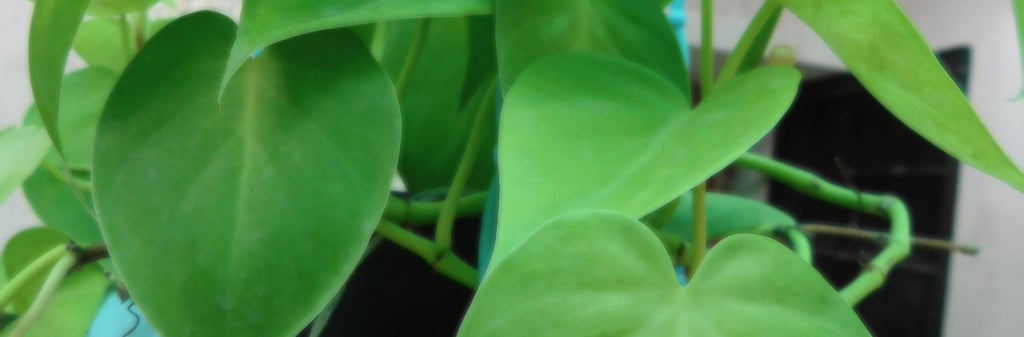
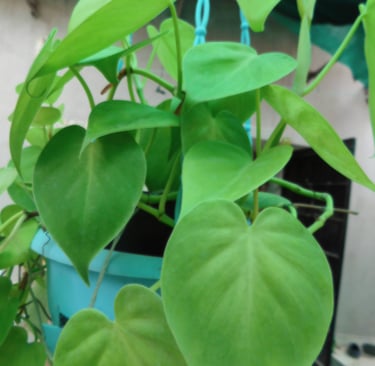
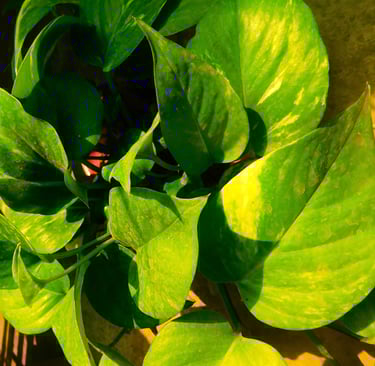
Golden Pothos:
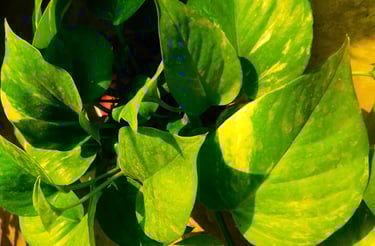
Known as the ‘Golden Plant’ in India, it is believed to bring good fortune and is relatively easy to care for.
Aesthetic Value
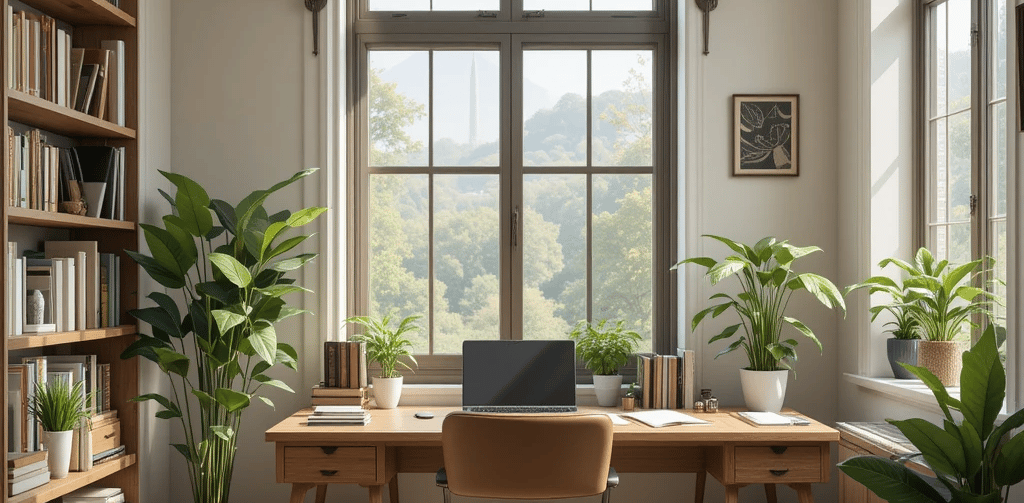
Plants add natural beauty and life to any space. They can be used as decorative elements to enhance your home's style, from minimal modern looks to lush jungle vibes.
Compared to other home decor items, plants are relatively inexpensive and can make a big impact on your space. Many plants can also be propagated to create new ones for free. There are many plants you can propagate for free through various methods.
Low-Cost Decoration
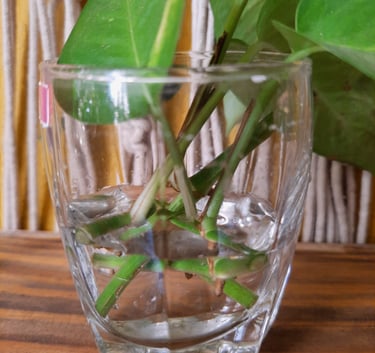
From stem cuttings:
Pothos: Simply cut below a node and place in water.
From leaf cuttings:
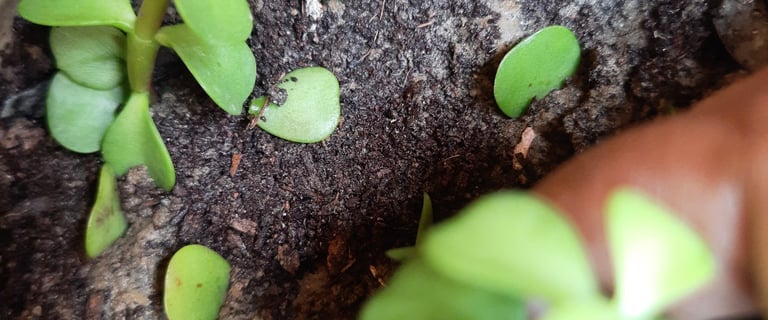
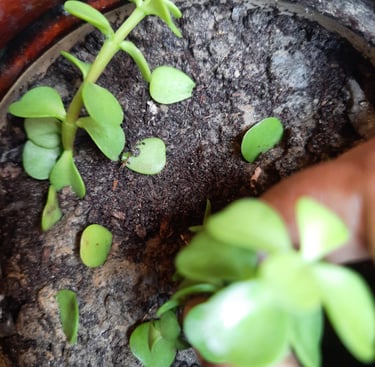
Jade plant: Leaves can root when placed on soil
Through division:
Connection to Nature
In increasingly urban lives, house plants help maintain a connection to nature, which is important for overall wellbeing.
Plants in Different Rooms in Indian Houses
Kitchen Garden Essential
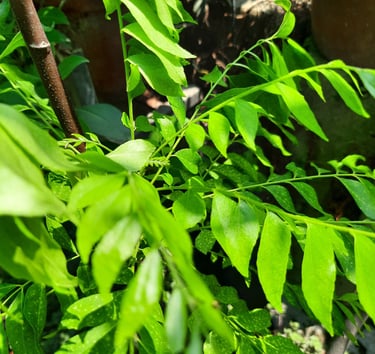
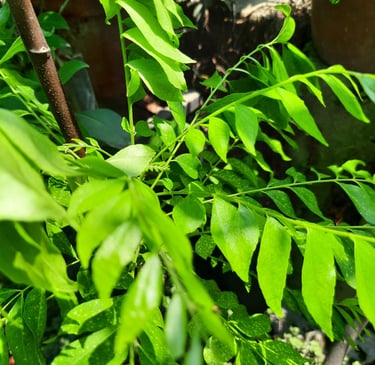
Curry Leaves (Kadi Patta): Essential for Indian cooking and easy to grow indoors.
Holy Basil (Tulsi): A must-have in Indian homes for both spiritual and medicinal purposes.
Study Room Champions
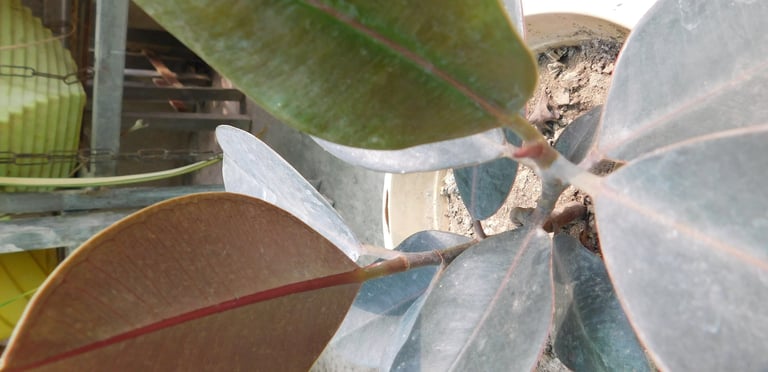
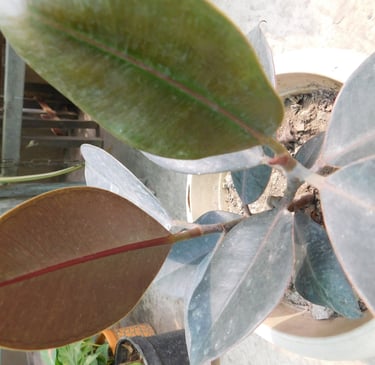
Rubber Plant: Helps improve concentration and reduces stress.
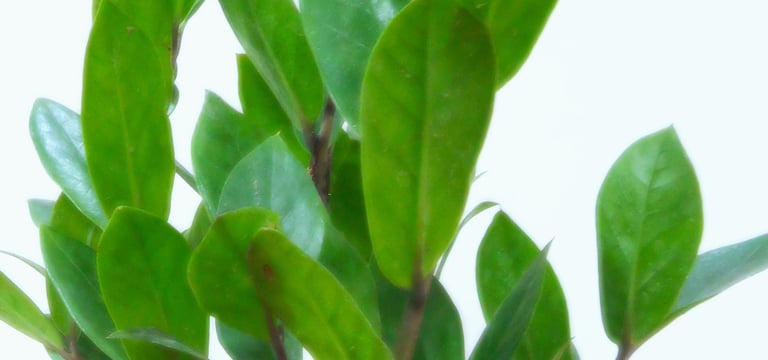
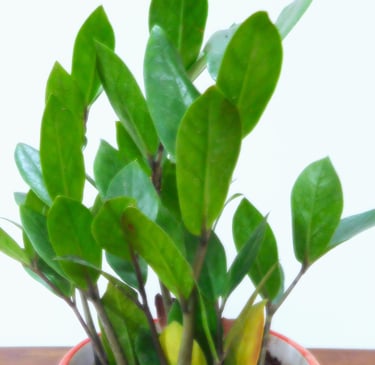
· ZZ Plant: Tolerates low light conditions common in Indian study rooms.
Bedroom Buddies
Snake Plant: Perfect for oxygen production at night.
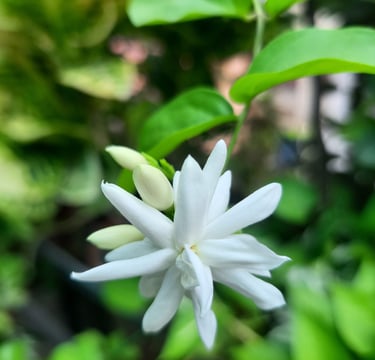
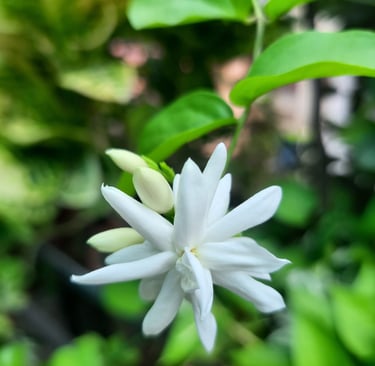
Jasmine: Its subtle fragrance promotes sleep.
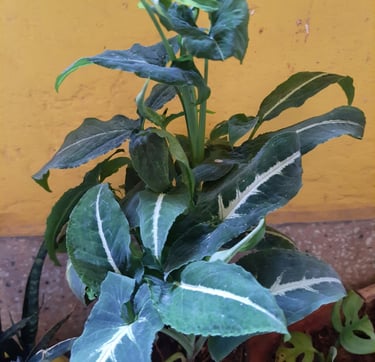
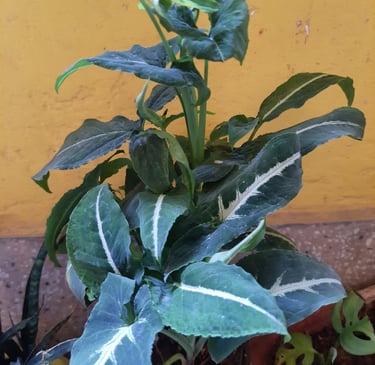
Syngonium: Adapts well to indoor conditions and grows beautifully.


Lighting Conditions for Indian Homes
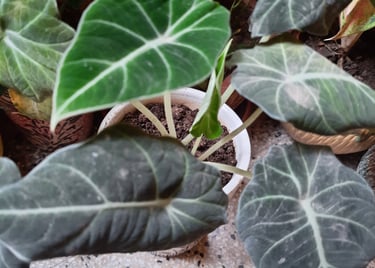
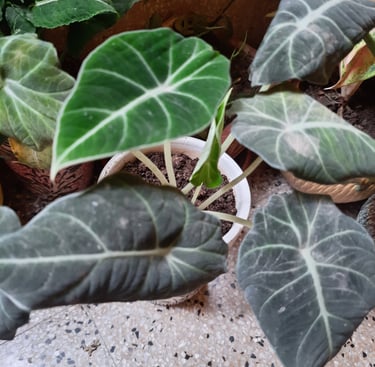
Direct Sunlight: Croton, Green Alocasia, Cactus
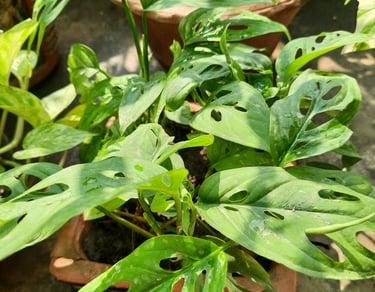
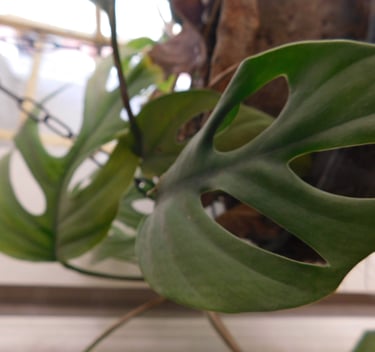
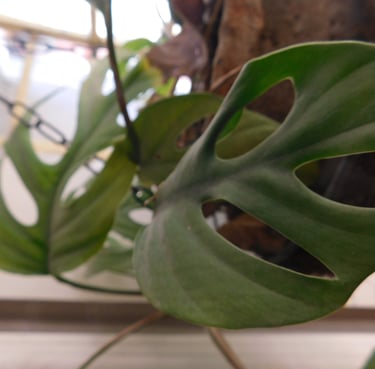
Bright, Indirect Light: Monstera, Fiddle-Leaf Fig, Rubber Plant

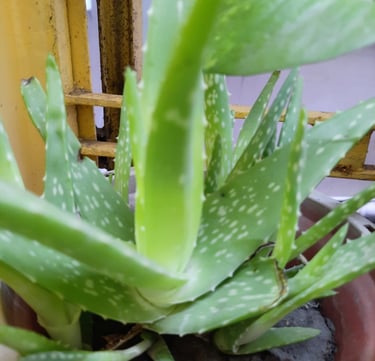
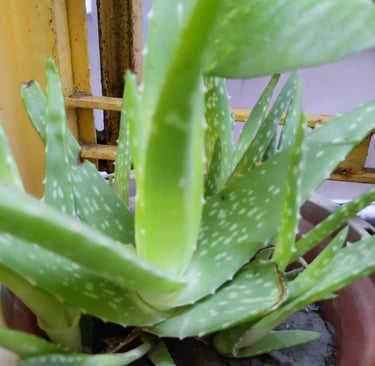
Aloe Vera:
Perfect for Indian kitchens, useful for burns and skin care.
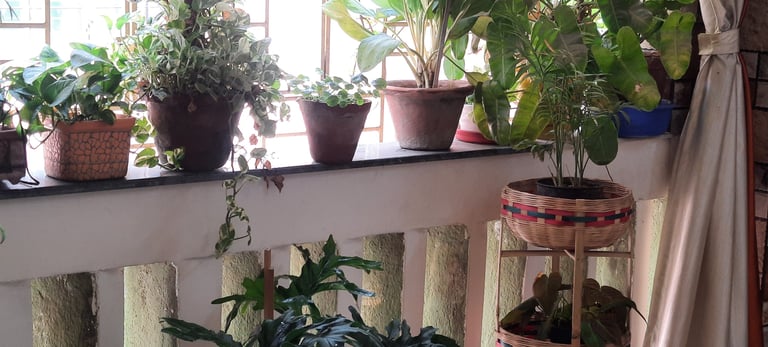
Low-light plant; money plant, peace lily, turtle vine
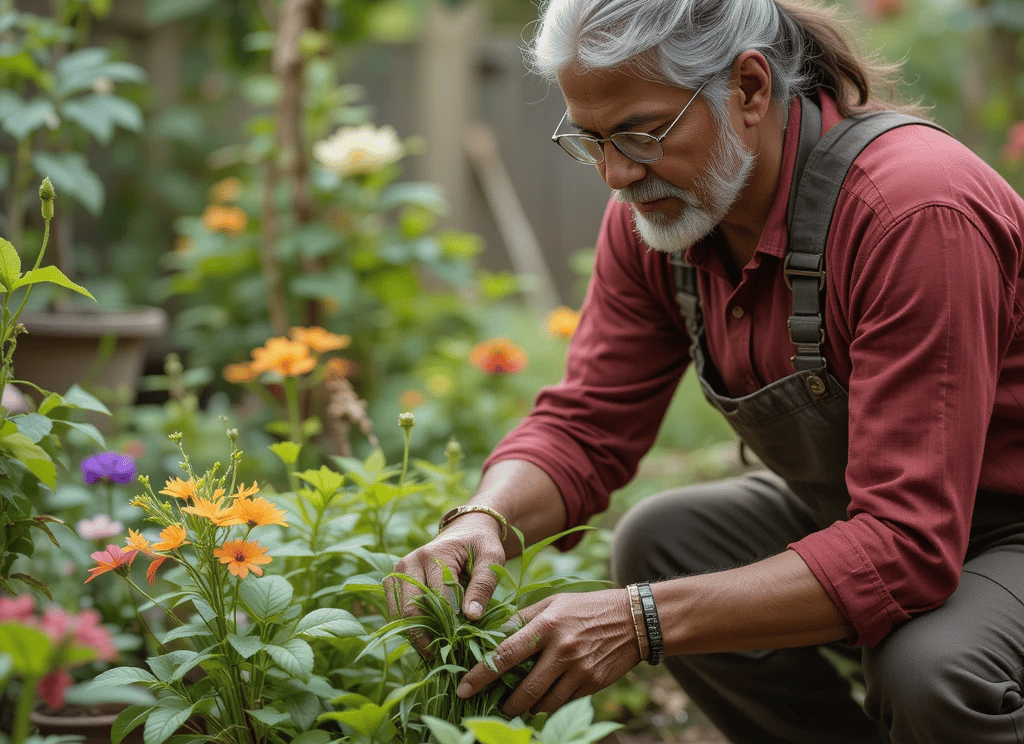
Practical Advice for the Indian Home Gardener

Common Pest Control
Use neem oil solution to control natural bacteria.
Establish adequate ventilation.
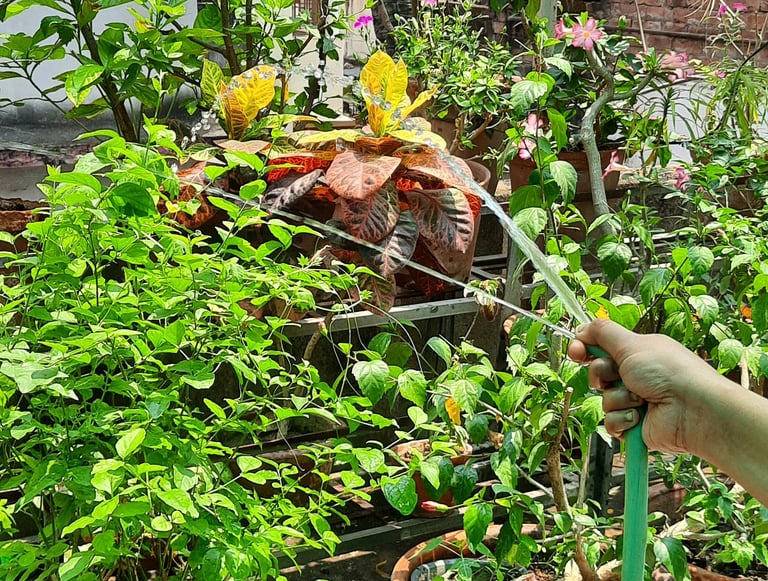
Water Consumption


Soil Mix for Indian Climate
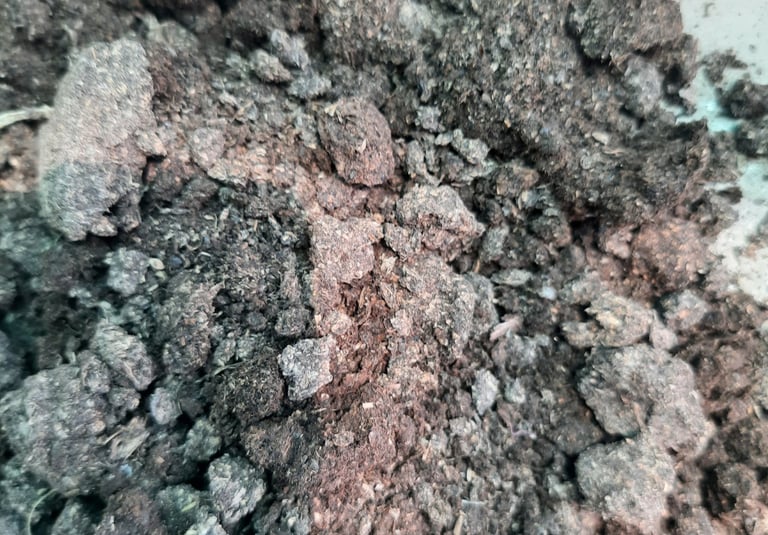
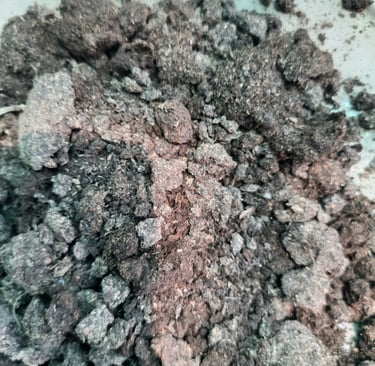
Prepare a mixture of garden soil, cocoa peat, and vermicompost.
Add sand for better drainage.
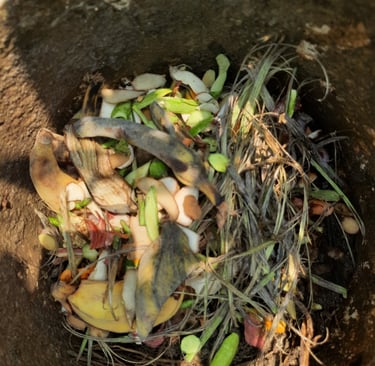
Use organic fertilizers like kitchen compost.

The Road to a Green Home

Starting your indoor garden doesn’t mean you have to transform your home overnight. Begin with one or two low-maintenance plants and slowly expand your green family by understanding their needs. In Indian homes where tradition meets modernity, indoor plants not only serve as decorative features but also as a bridge that connects us with our roots in living in harmony with nature1.
Whether you’re looking to improve air quality, reduce stress, or just add life to your living space, there are perfect plants waiting for you. Blend the ancient wisdom of preserving plants with modern sensibilities to create a home that is not only beautiful but also healthier and more vibrant.
Happy gardening! 🌿
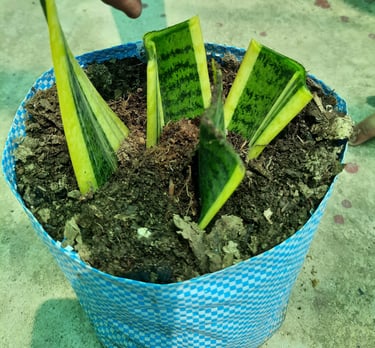
Snake plant: Cut a leaf into sections and place in soil.
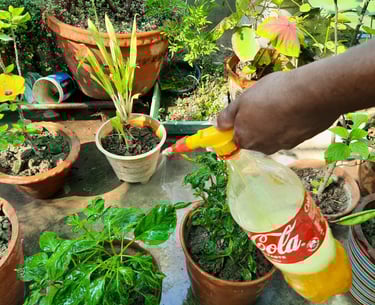

Regularly inspect leaves and soil.
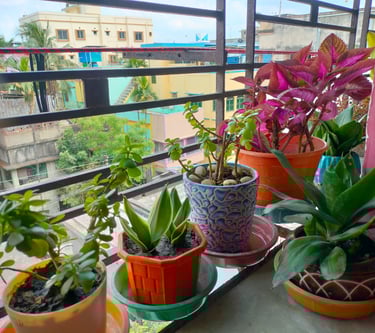
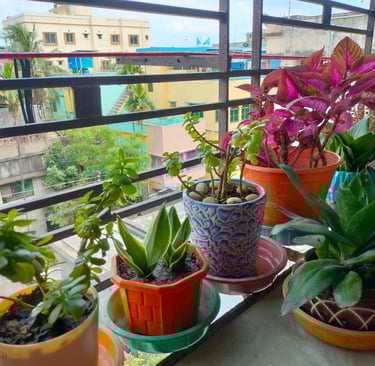
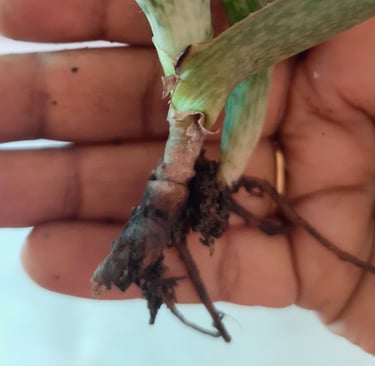
Aloe vera: Pups can be separated from the mother plant
Monstera: Cut below a node with an aerial root
Install your own water system for busy homes.
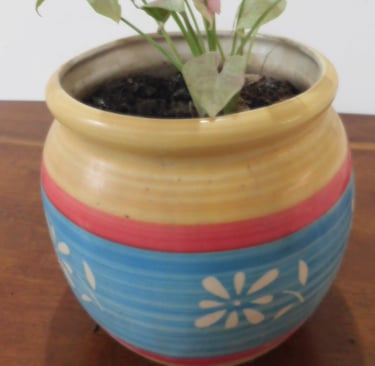
Use ceramic pots to better control temperature.
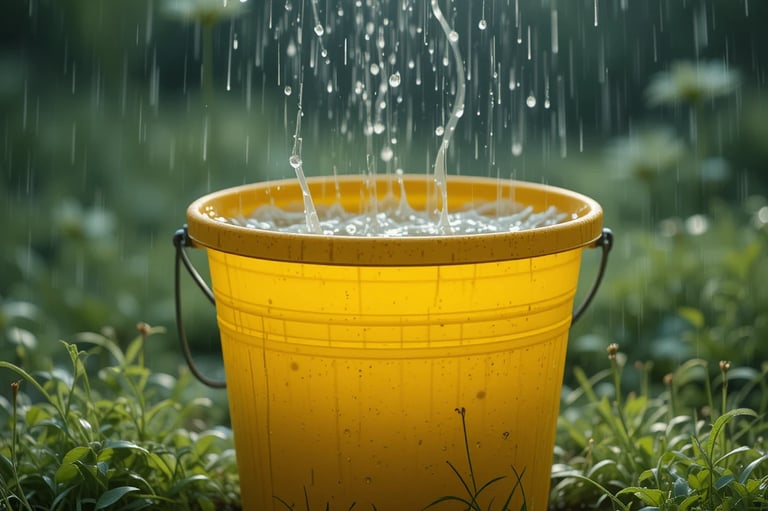
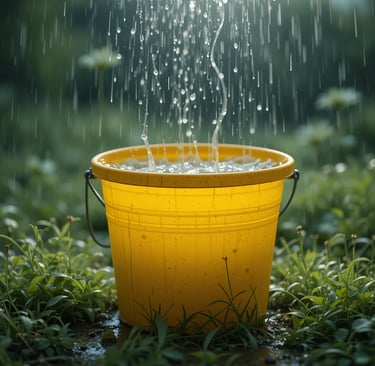
Harvest and use rainwater during the rainy season.

Nurture
Explore plants for every Indian home climate.
Care
Decor
© 2024. All rights reserved.
BLOG
contact : +91 9830917458
plantpaathshala@gmail.com