
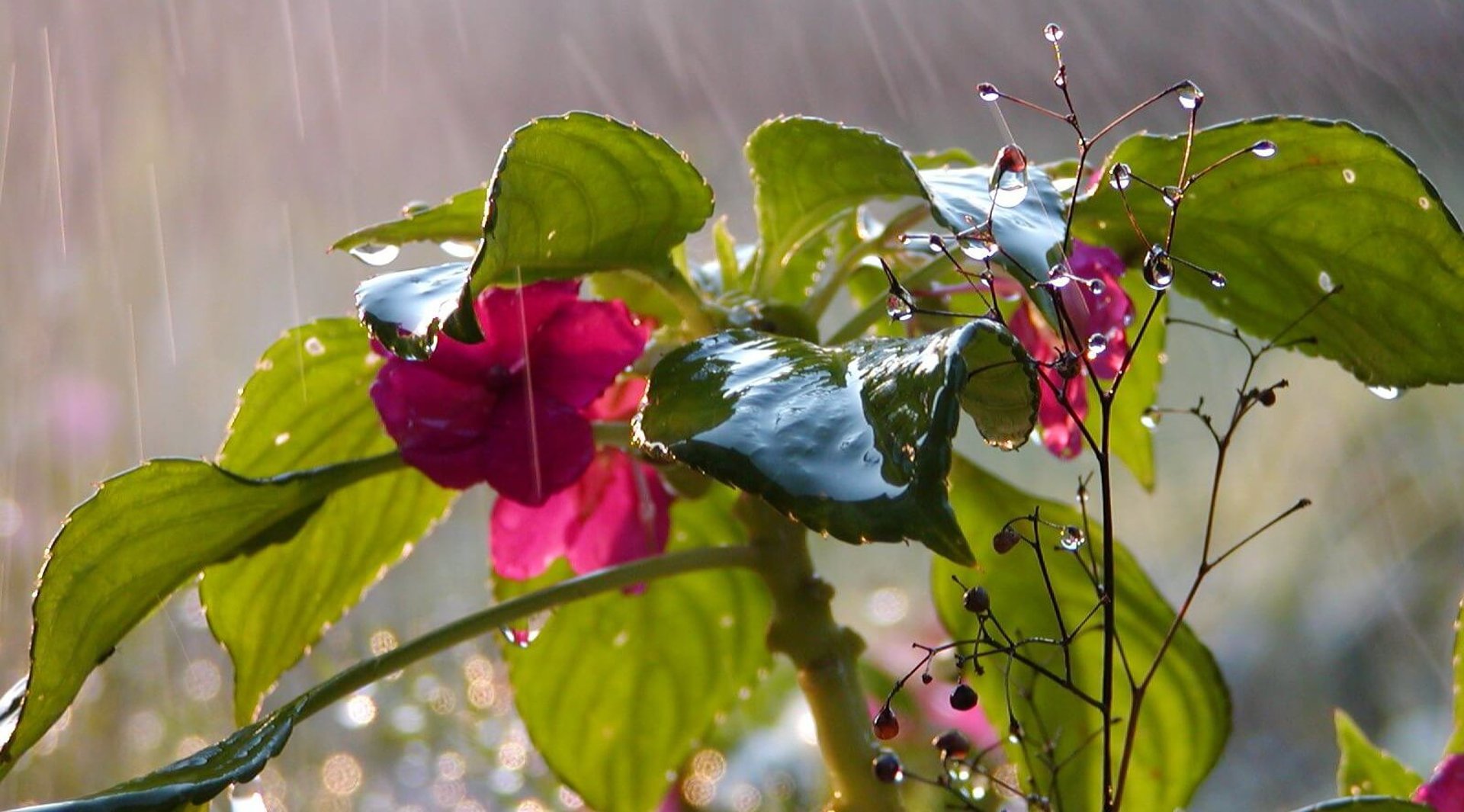
Monsoon Magic: vibrant outdoor plants that loves the rain
Discover the enchanting world of monsoon magic with vibrant outdoor plants that thrive in the rain! This blog explores a variety of lush, colorful plants that flourish during the rainy season, bringing life and freshness to your garden. From the rich greens of ferns to the bright blooms of rain-loving flowers, learn how to nurture and enhance your outdoor space amid the monsoon’s nourishing showers. Whether you’re a seasoned gardener or a nature enthusiast, these tips will help you create a stunning, rain-kissed garden that celebrates the beauty and vitality of monsoon magic.
soma roy
7/24/20256 min read
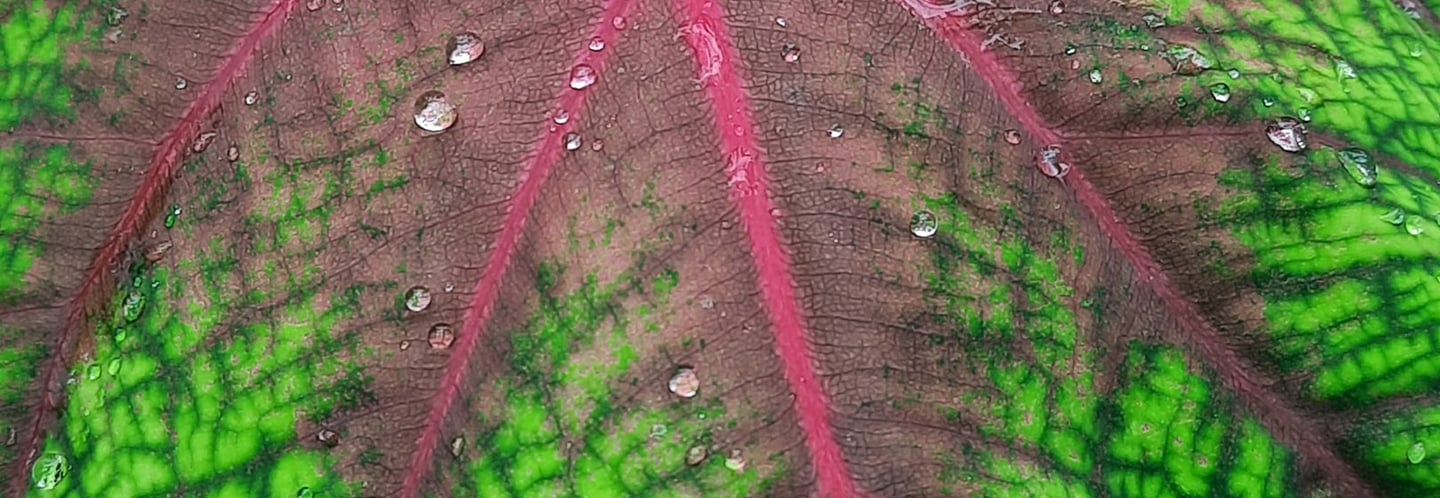
Why you will like monsoon trees?
What are the benefits of planting monsoon trees for plant lovers?
How much impact does the monsoon plant have on busy lives?
Why I Love Monsoon Plants
Monsoon plants hold a special place in my heart because they bring the magic of the rainy season to life. During monsoons, these plants flourish with vibrant greenery and fresh blooms, creating a refreshing and soothing atmosphere. I love how the rain nourishes them, making their leaves glisten and their colors more vivid. Monsoon plants also attract beautiful butterflies and birds, adding to the lively and serene garden experience. For me, they symbolize renewal, growth, and the joyful spirit of nature during the rainy season. Writing about monsoon plants allows me to share this beauty and inspire others to appreciate and nurture these wonderful gifts of nature.
In what ways do monsoon plants symbolize renewal and growth in my blogging journey
After the intense heat, the monsoon comes, when the rain water falls on the tree, it regains its new life. During the summer, it takes a lot of effort to keep the plants fresh and green. It is the rain that brings these lifeless, tired trees back to life. Then, seeing the vibrant trees, our eyes become as vibrant as our minds become green.
Some Monsoon Indoor & Outdoor Plants
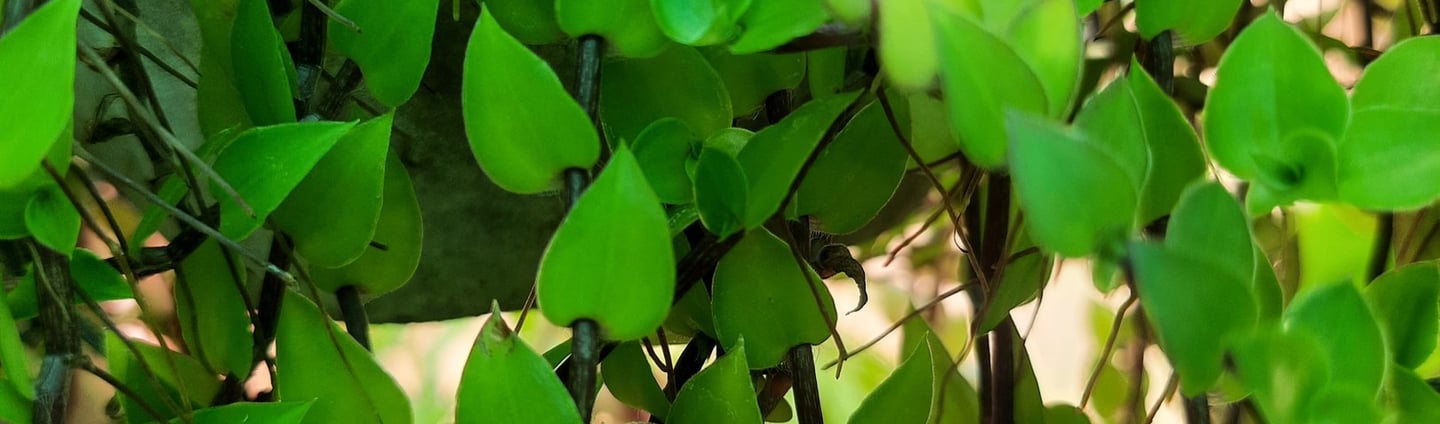
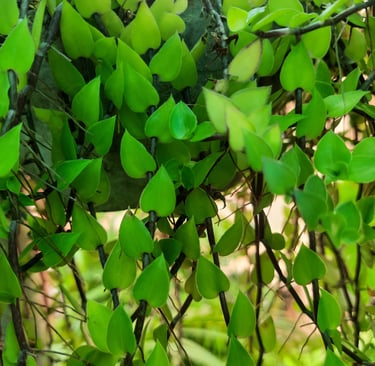
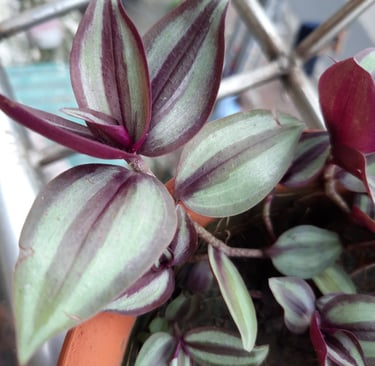
The Tortoise Vine
Growth habit: Following shrub/weed
Leaves: small, ovate to cordate, arranged in a rosette
Color: Usually green, but may have purple undertones
Size: Not low growing, usually less than 6 inches long
Trees: Thin, slender trees that easily take root wherever they touch the soil
Trees: Thin, slender trees that easily take root wherever they touch the soil
Flowers: Small white flowers, though rarely blooming indoors
Lighting Requirements: Bright indirect light to partial shadows
Water Requirements: Easy, keep the soil dry between waterings
Propagation: Propagation is very easy from cutting
Supervision of Care
Light Bright, irregular light. It can tolerate a little shade.
Water: Keep the soil slightly moist. Allow the top inches to dry between waterings.
Soil: Well-drained potting mix.
Temperature: 60-80°F (15-27°C). It is not Frostproof.
Temperature: 60-80°F (15-27°C). It is not frostproof.
Humidity: Medium to high. Sometimes the air is dry with mist.
Prune: Prune regularly to keep the tree in shape.
Propagation: Easily propagated from cuttings.
Insects: Watch out for mealybugs and spider mites.
Experimental Testing
Ornamental houseplants: Turtle vines as backyard decorative plants for hanging baskets or floor coverings in terrariums.
Air Purifier: Like many houseplants, it can help improve indoor air quality to some extent.
Traditional Medicine: In some cultures, it has been used in traditional medicine , although it has been scientifically proven effective.
Extensibility: The ease of propagation makes the sharing and growing process appealing to plant enthusiasts.
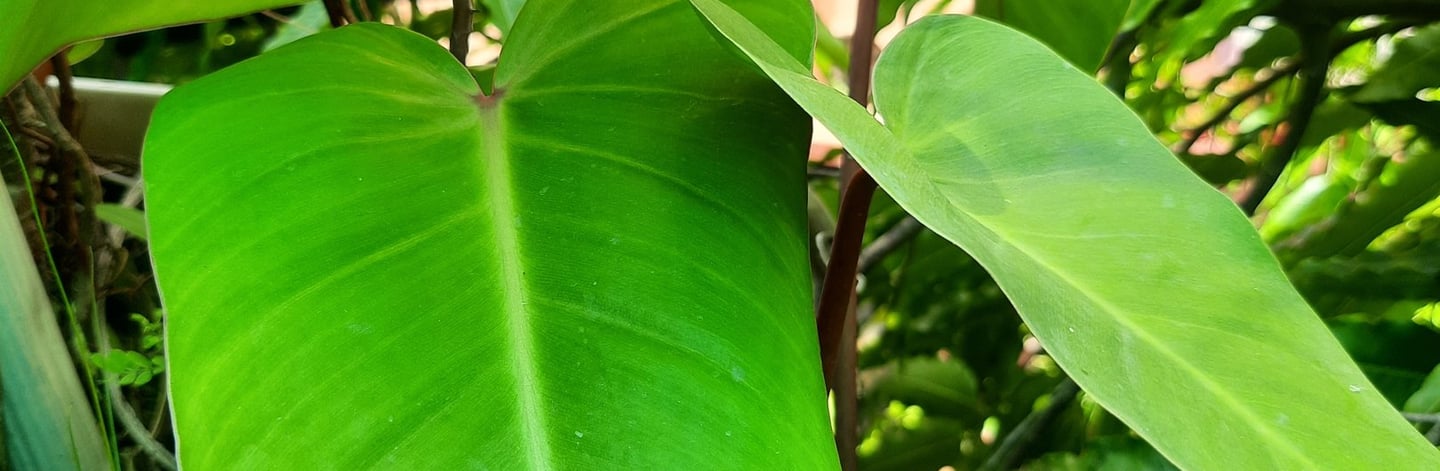
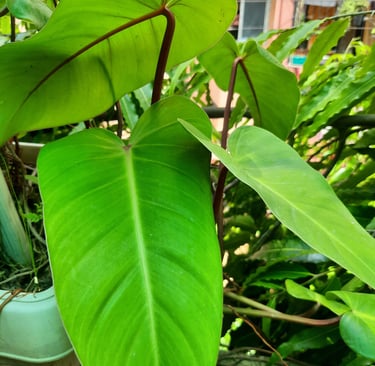
Philodendron
Why you like it: The Indian Jugaad is as adaptable as the solution
• Type: Heart-paper, Brazil, Mican
• Perfect areas: Create seating walls in gentle areas
• Care Tips: Whether climbing or trails – this is fun either way
You can keep the above plants in your balcony, rooftop garden, corner of your house to enhance beauty. Keeps the mind calm.
Care and Maintenance
Light: Prefer bright, indirect light but are tolerant of medium to low light conditions. Avoid direct sunlight, which can scorch their leaves.
Water: Keep soil moist but not soggy; allow the topsoil to dry slightly between waterings.
Humidity: Thrive in humid environments but adapt well to average indoor humidity.
Temperature: Grow best in warm indoor temperatures and should be protected from cold drafts.
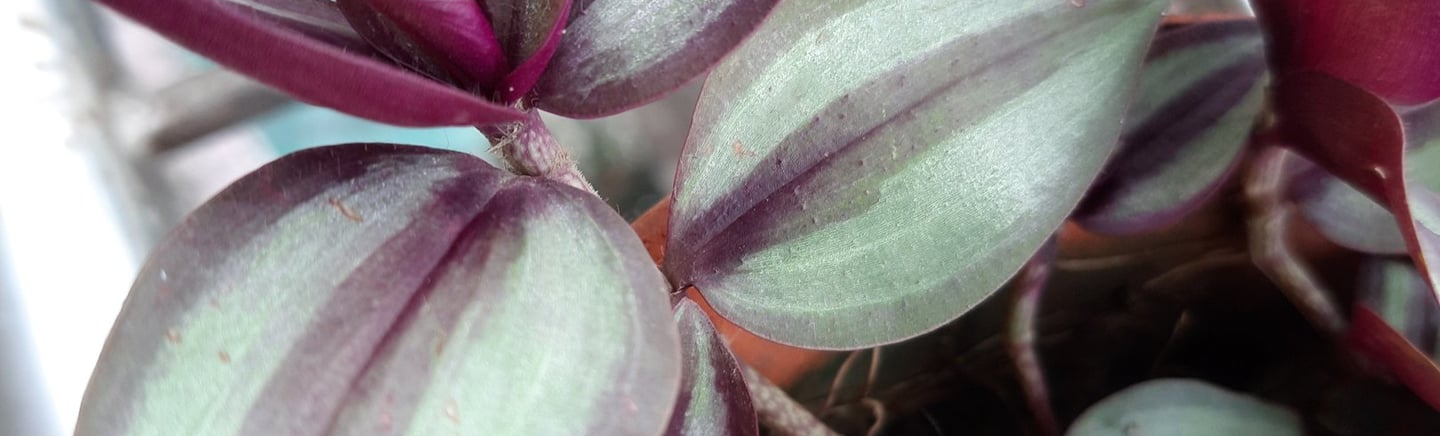
Jew Plant
Symptoms:
• Rapid plant growth follows
• Leaves variegated, usually yellow beneath
• Easy to spread from cuts
• Suitable for lighting conditions
Supervision:
• Prefer light that is bright and unobtrusive but can withstand low light
• Water when the top inch of soil is dry
• Enjoy moderate temperatures
• Easily grown indoors or outdoors as a ground cover in moderate climates
Experiments:
• Popular as a hanging plant
• Commonly used in terrariums
• Can be planted as a ground cover in snow-free areas.
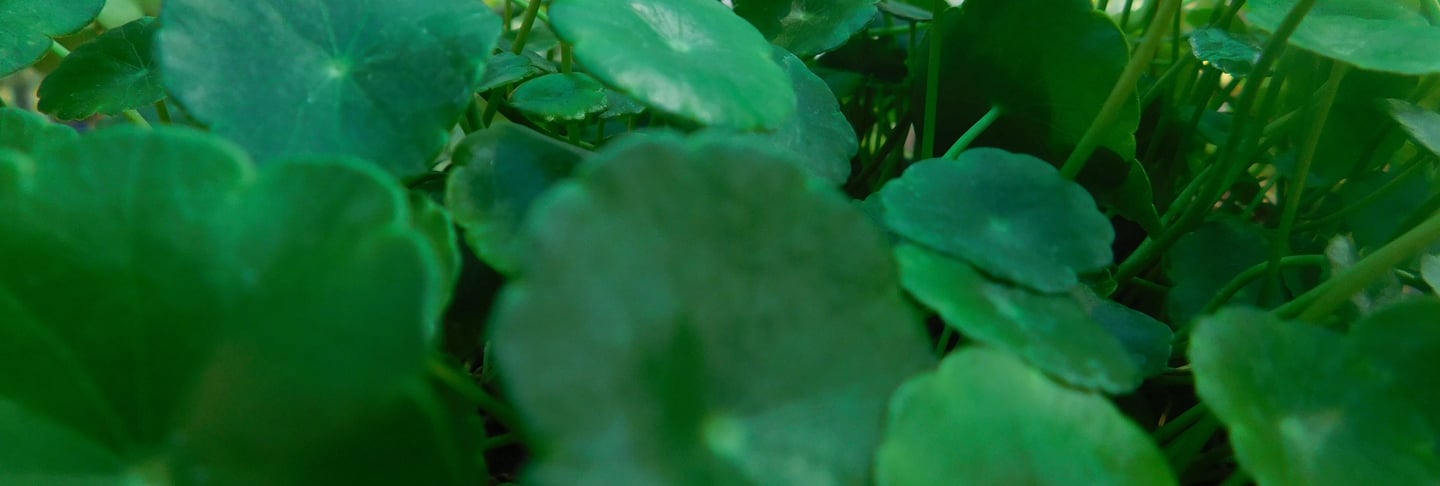
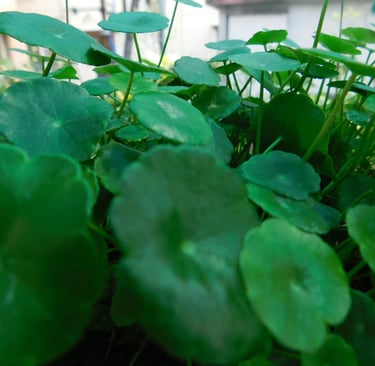
Chinese Money Plant
The signs of the
They have large round leaves with green and silver patterns, sometimes yellow and pink.
Observation:
• Light: Tolerates low to moderate light
• Water: Keep the soil slightly moist, but not wet
• Humidity: You want maximum humidity but adjust to indoor conditions
• Temperature: Grows from 60-75°F (15-24°C).
the use of resources
• Air purifiers
• Low maintenance
• Perennial foliage
• Varieties: There are many varieties with different leaf pattern colors
• Propagation: Easily spread by cuttings or cracks
Monsoon outdoor Plants
Monsoon outdoor plants are those that thrive in the wet, humid, and often waterlogged conditions typical of the monsoon season, especially in regions like India where monsoon rains are intense and prolonged. These plants are adapted to handle heavy rainfall, high humidity, and fluctuating soil moisture levels. Here are some key monsoon outdoor plants and their characteristics:
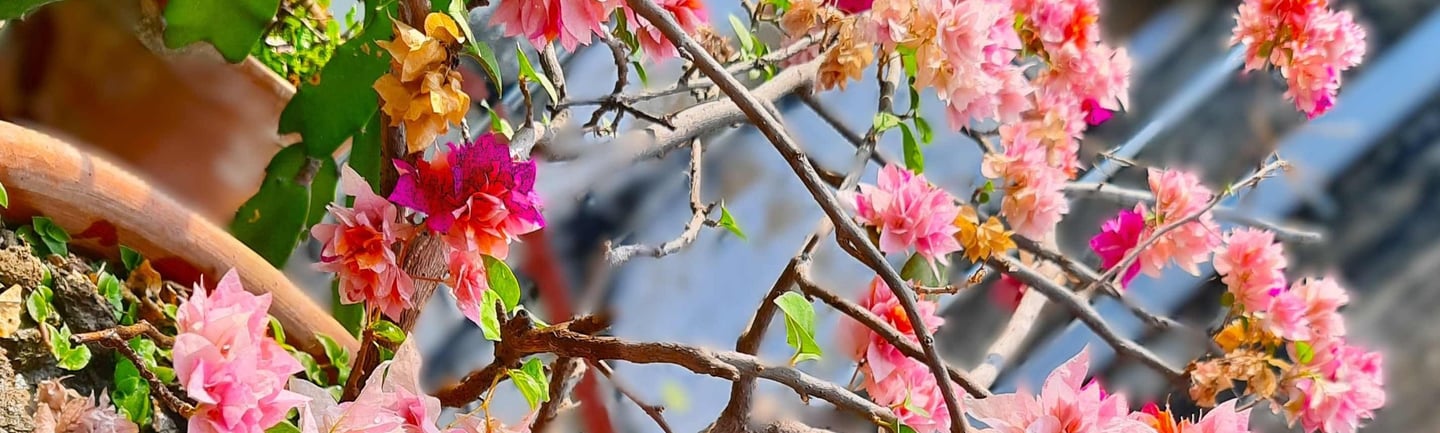
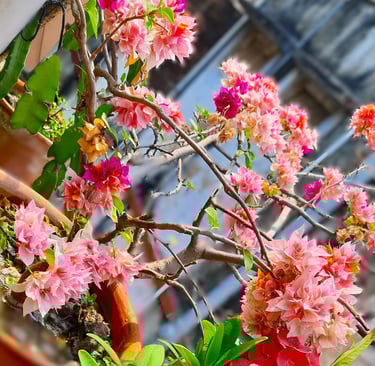
Bougainvillea:
A resilient, drought-tolerant plant that blooms vibrantly during monsoon with colorful bracts in shades of pink, purple, red, orange, and white. It thrives in well-drained soil and can withstand heavy rains, making it ideal for gardens and balconies during monsoon.
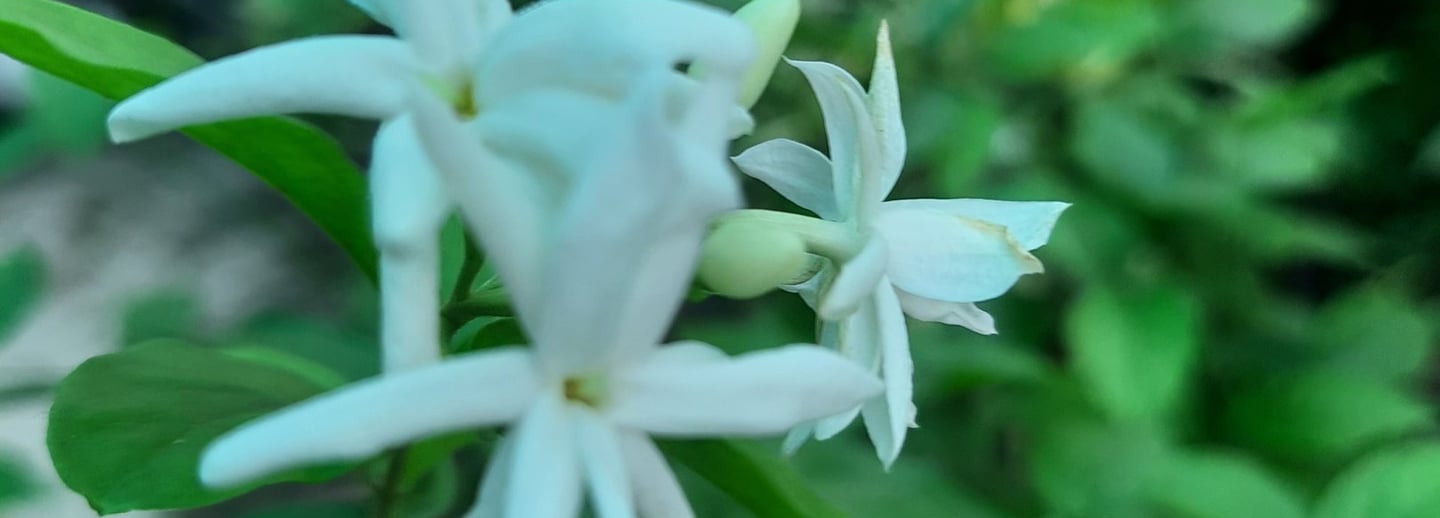
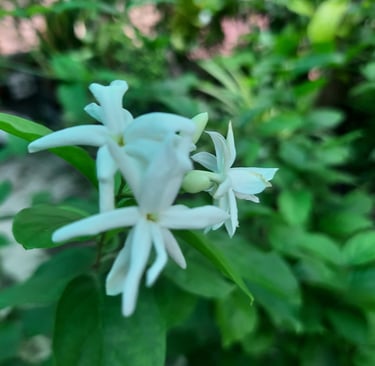
Jasmine (Mogra):
Highly favoured for its fragrant white flowers that bloom profusely in the monsoon. Jasmine prefers well-drained soil and partial to full sunlight. It is often grown in gardens, pots, or hanging baskets, adding fragrance and beauty during the rainy season.
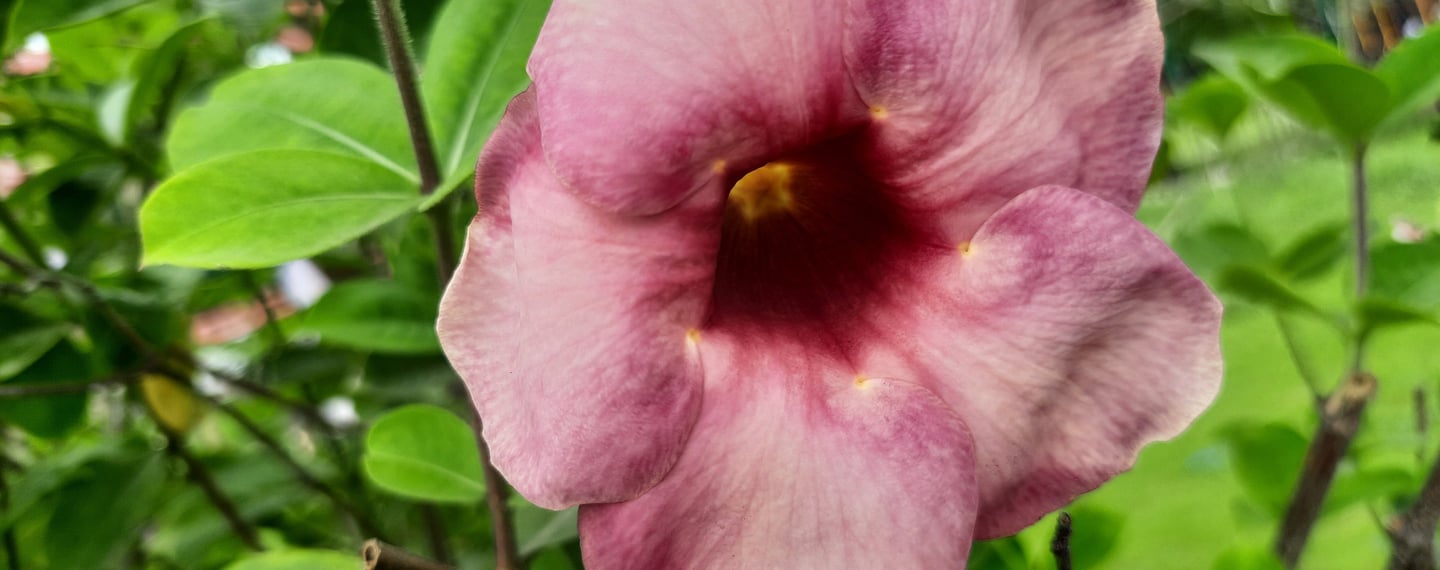
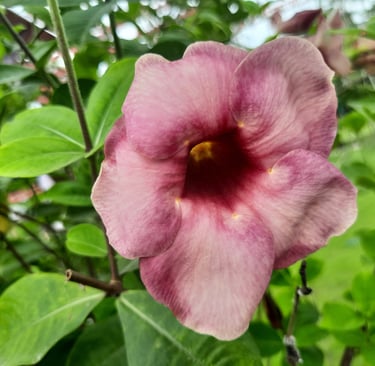
Alamonda:
It features large, bright yellow, red, light pink trumpet-shaped blossoms that bloom mainly in summer and monsoon. Known as golden trumpet or yellow bell, it’s popular for ornamental use and traditional medicinal benefits, such as treating skin ailments and jaundice.
Aparajita:
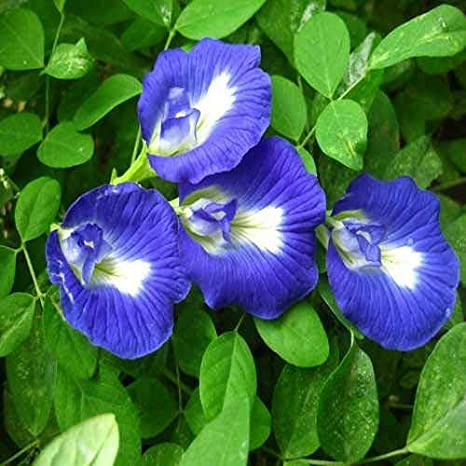

Aparajita flower, scientifically known as Clitoria ternatea and commonly called Butterfly Pea, is a striking flowering vine admired for its vibrant blue, purple, or white blossoms. Native to Asia, it holds sacred status in India and features prominently in daily rituals and Ayurveda for its medicinal properties. The flower is used to make colorful herbal teas and natural dyes that change hue with pH alterations, adding culinary and aesthetic value. Aparajita grows easily in full sun with moderate watering and enriches soil by nitrogen fixation. Its traditional uses include memory enhancement, anti-inflammatory benefits, and support for nervous and circulatory health.
Nagchampa
The White Nagchampa flower tree, commonly known as Plumeria Pudica or simply Nag Champa, is a beautiful tropical flowering plant revered for its fragrant white blossoms with yellow centers. It is often grown as a small tree or large shrub, typically reaching 18-24 inches or taller, and is popular both as an indoor potted plant and in gardens. New seedlings are easily grown by cutting the branches of this tree. Nag champa flower plants require very little care.this tree is found in many Indian homes.
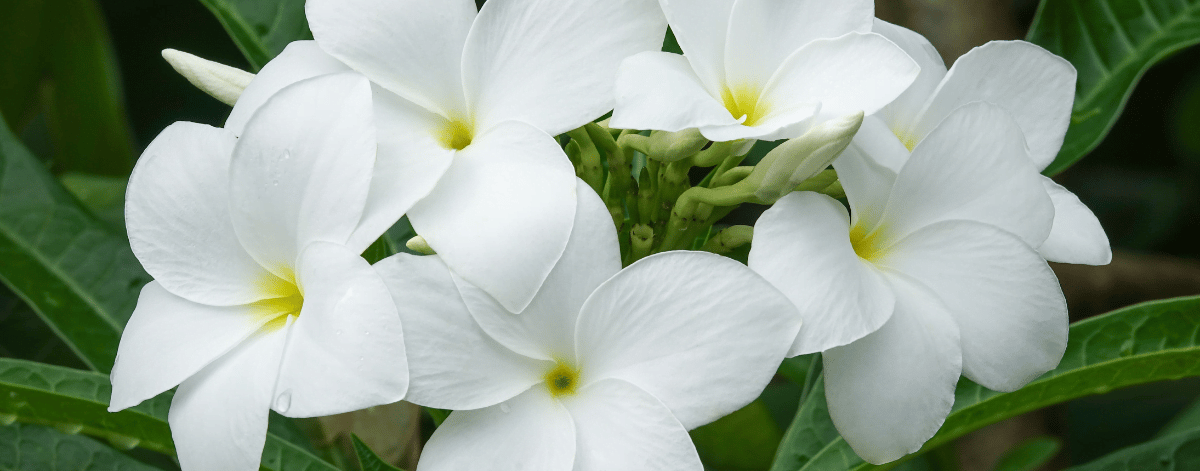
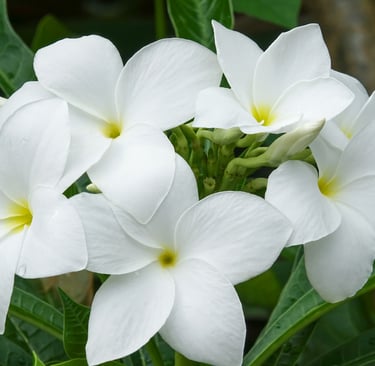
The above flowering plants produce good results in very small spaces and with little maintenance. These can be grown in pots as well as on the garden. It can kept in sunlight as well as in the shed. Colorful plants of these sort will brighten your day during the rainy season.
Nurture
Explore plants for every Indian home climate.
Care
Decor
© 2024. All rights reserved.
BLOG
contact : +91 9830917458
plantpaathshala@gmail.com