

In India The Ultimate Guide to Effortless Indoor Plant Care
Discover the ultimate guide to effortless indoor plant care in India! 🌿 Whether you're a beginner or a seasoned plant parent, learn essential tips for selecting, nurturing, and troubleshooting your green companions. Transform your home into a vibrant oasis and boost your well-being with our expert advice!Blog post description.
Soma Roy
6/21/20256 min read

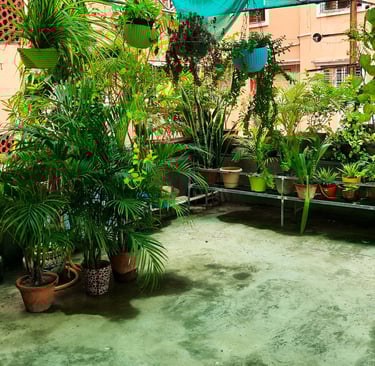
Hello, fellow plant enthusiasts! 🌿 Are you ready to embark on a green journey? Whether you're an experienced plant parent or just starting out, this guide will help you cultivate a thriving indoor garden in your Indian home. So, grab a cup of chai, relax, and dive into the enriching world of indoor plants!
Why Indoor Plants Matter
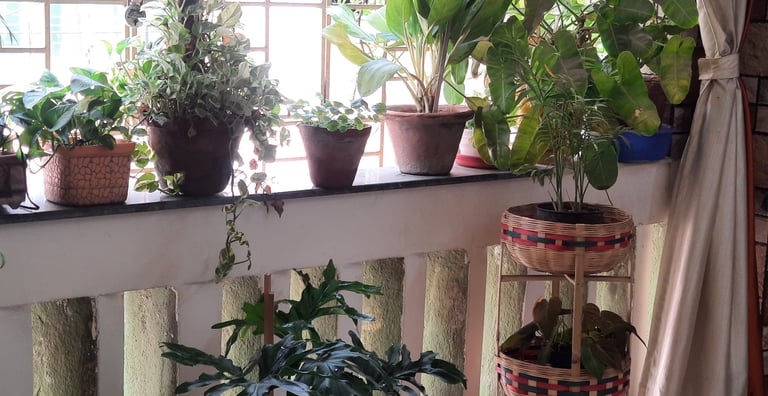
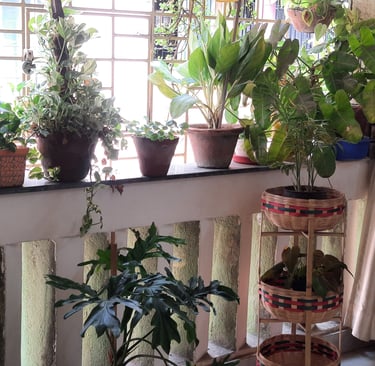
Imagine returning home after a long day, greeted by the sight of vibrant greenery. The leaves dance gently in the breeze, instantly lifting your spirits. Indoor plants are not just decorative items; they are living companions that enhance your mood and transform your space. However, to reap these benefits, it’s essential to care for your green friends properly. With a few simple tips, you can become a plant care expert in no time!
That's the magic of plants! They are not just decorations. They are living, breathing companions that can transform your living space and your mood. But it's important that you keep your green friend happy and healthy to enjoy these benefits. no need to worry! With these simple tips and tricks, you'll be a plant care pro in no time.
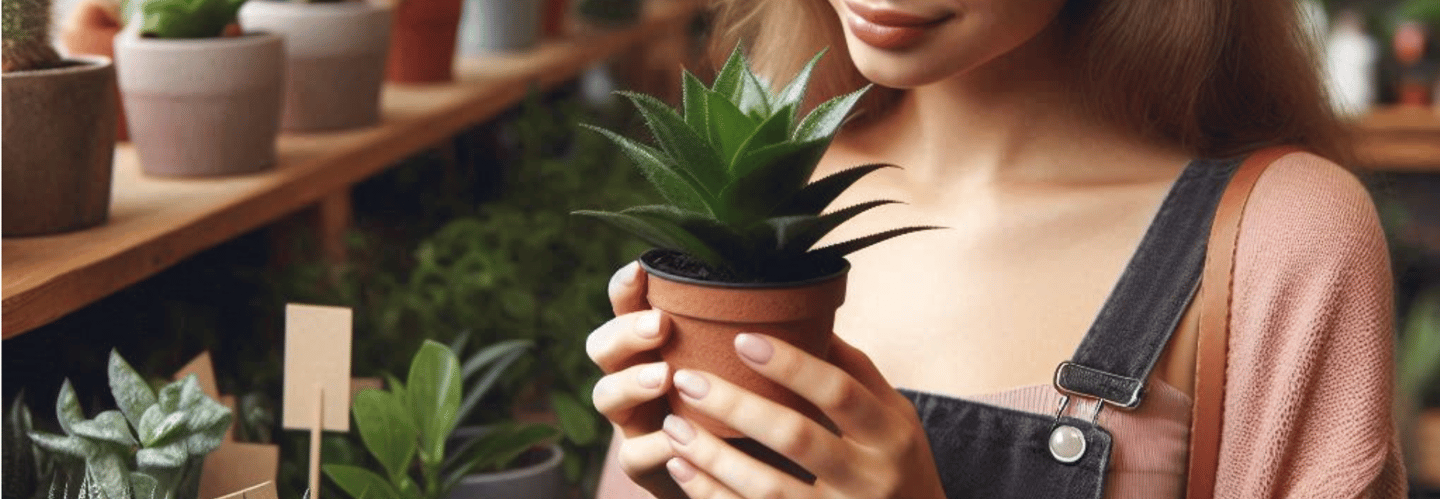
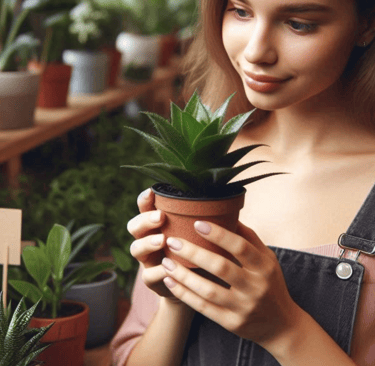
Choosing Your Perfect Green Partner
The first step in your plant care journey is selecting the right plants for your environment. Here are some factors to consider:
Your Space: Is your room sunny or shaded? Do you have a balcony or just a window?
Your Lifestyle: Are you often busy or do you have ample time for plant care?
Your Experience Level: Are you a first-time plant parent or an experienced gardener?
Plant Suggestions Based on Your Environment: For sunny spots:
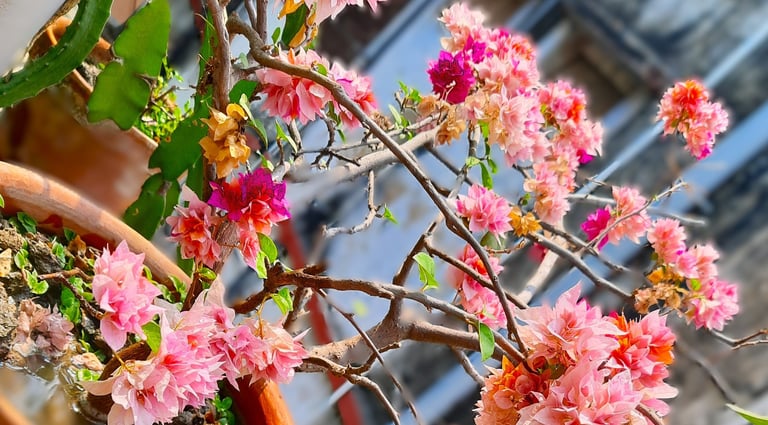
For Sunny Spots: Bright flowers like Bougainvillea or Marigold thrive in direct sunlight.
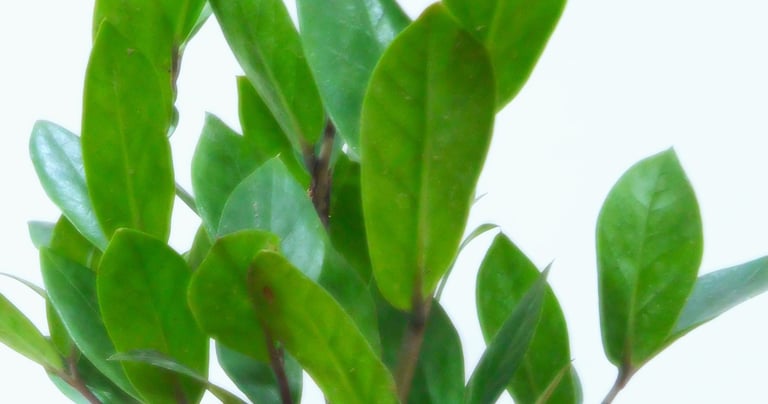
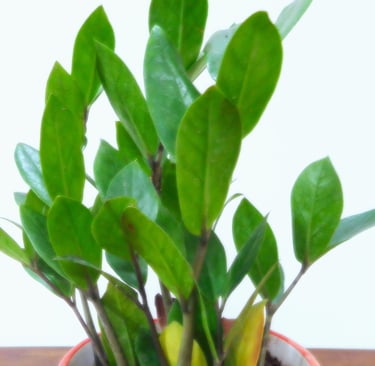
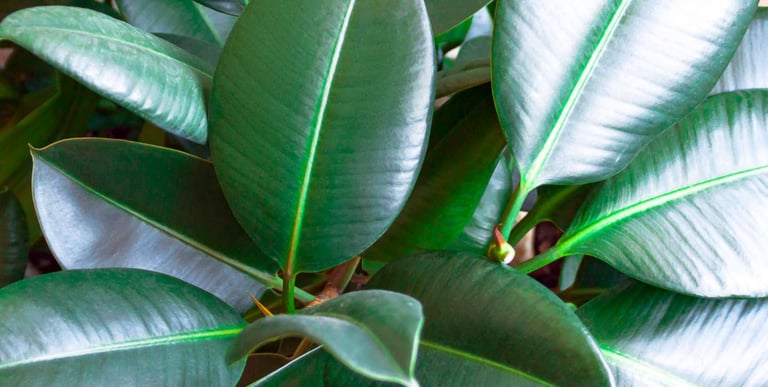
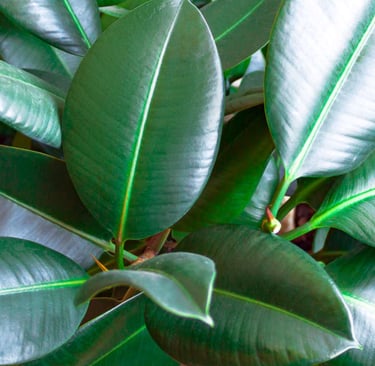
In Shady Areas: Consider low-light lovers like Rubber Plants (Ficus elastica) or ZZ Plants (Zamioculcas zamiifolia).
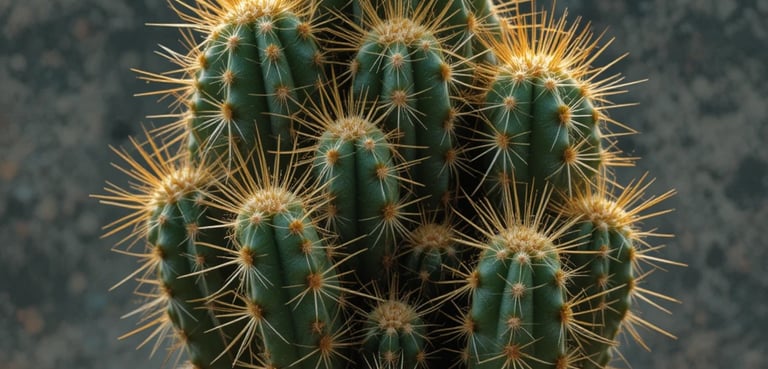
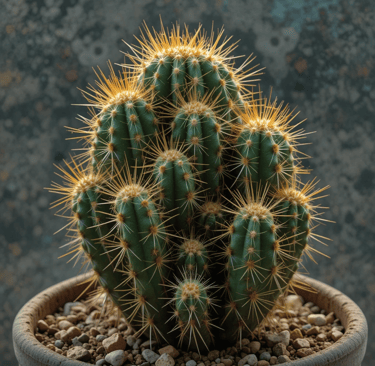
For Busy Individuals: Option for low-maintenance plants such as succulents or cacti.
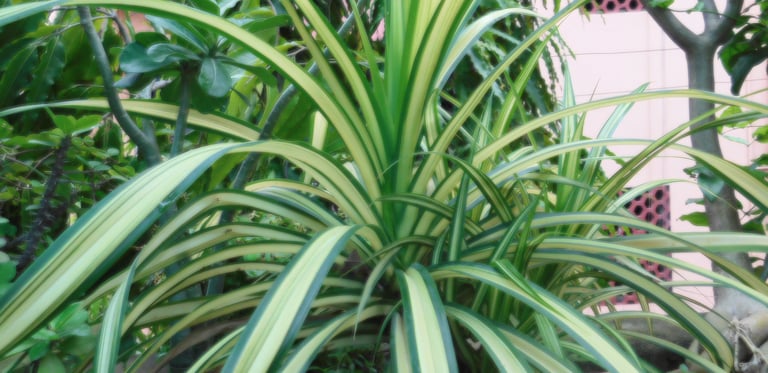
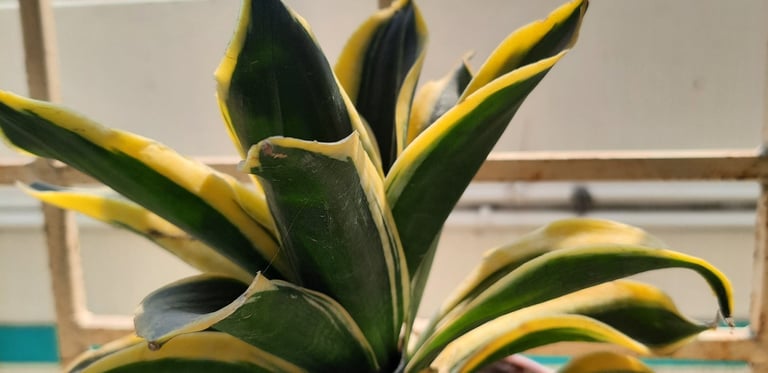
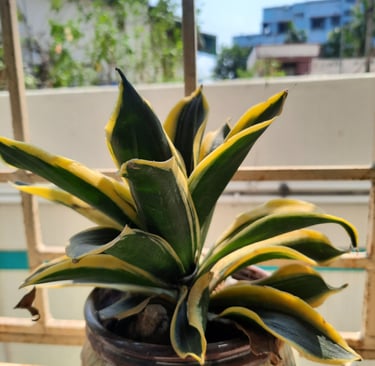
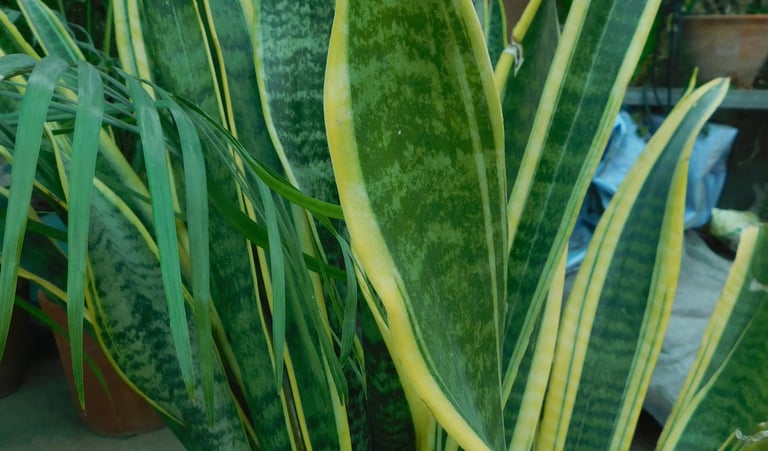
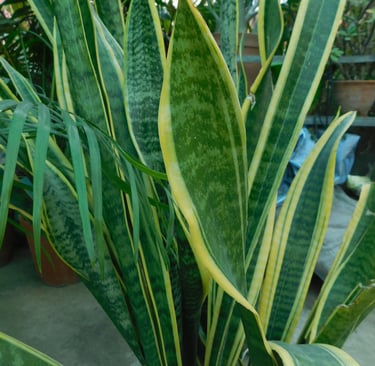
To Purify Air: Spider Plants (Chlorophytum comosum) and Snake Plants (Sansevieria) are excellent choices.
Creating an Ideal Home for Your Plants
For Small Spaces: Hanging plants like Pothos (Epipremnum aureum) can add greenery without taking up floor space.
Once you've selected your green companions, it's time to set them up with a cozy home. Here’s how to create the perfect environment:
Lighting Needs:
Plants have specific lighting preferences:
Sun Lovers: Place them near south-facing windows.
Shade Dwellers: North-facing windows or spots away from direct sunlight are ideal.
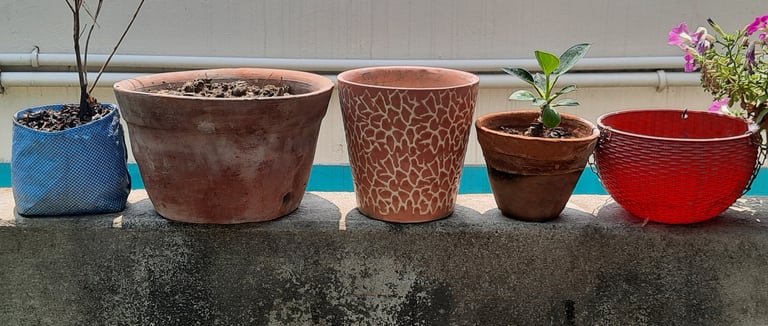
Size Matters: Choose a pot slightly larger than the root ball to prevent overwatering.
Partial Sun Seekers: East or west-facing windows work well.
Potting Essentials:
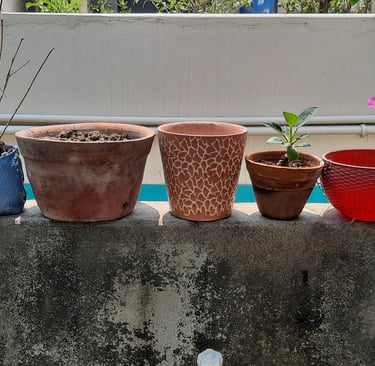
Material Choices: Clay pots allow soil to dry out faster, while plastic pots retain moisture longer.
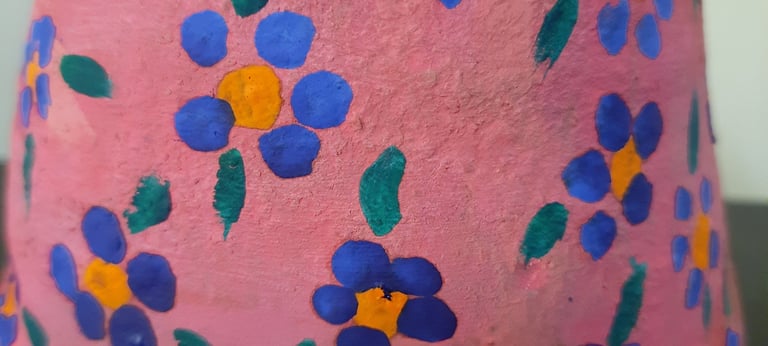
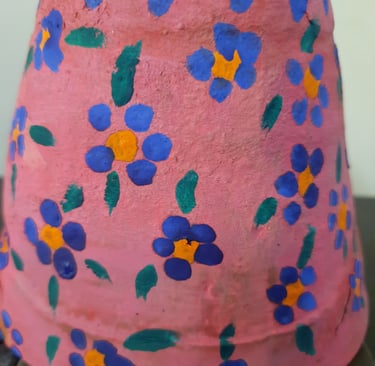
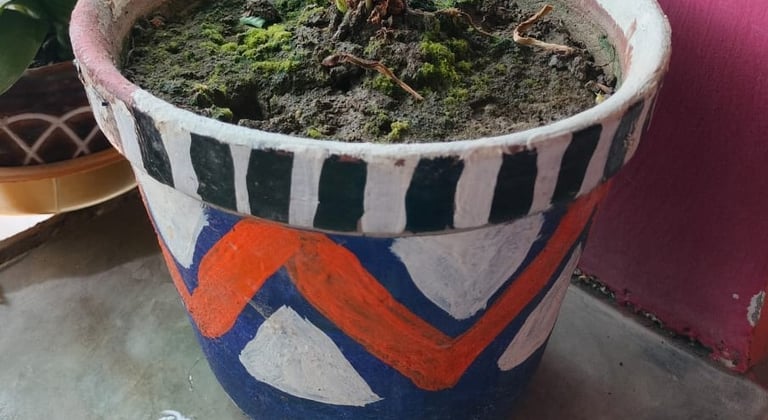
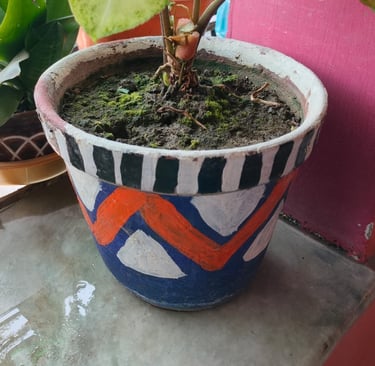
DIY Touch: Get creative by painting your own pots for a personalized look!
Selecting the right pot is vital for healthy roots:
Soil Quality:
Just like we need nutritious food, plants require good soil:
Cacti and Succulents: Prefer sandy, well-draining soil.
Herbs: Thrive in light, fertile soil—perfect for your kitchen garden!
Watering Wisely:
Ensure proper drainage—no one likes soggy feet!
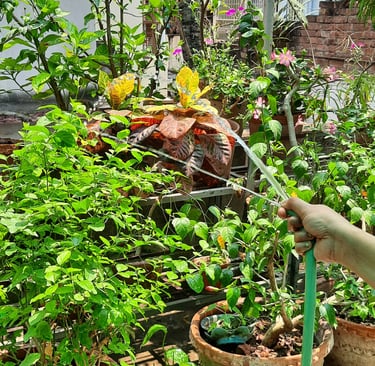
Watering is an art form:
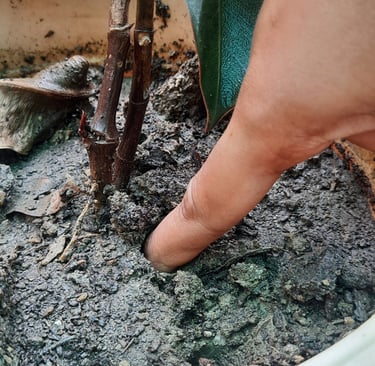
Check the soil moisture by sticking your finger about an inch into it.
Water deeply to ensure the roots receive adequate hydration.
Different plants have unique watering needs; understanding these preferences is key to their health.
Fertilizing Your Plants
Plants need nutrients to grow strong and healthy:
Are you ready to transform your Indian home into a lush green oasis? With love and care, you'll cultivate an indoor paradise that thrives!
Happy planting! 🌿
Congratulations! You now possess the knowledge needed to be an excellent plant parent. Remember that caring for plants is a journey of discovery. Here are some final tips:
Every problem has a solution—stay attentive to your plants’ needs!
Even with the best care, issues may arise:
Troubleshooting Common Plant Problems
Remove dead or dying leaves to redirect energy toward growth.
Encourage fuller growth by trimming back leggy stems.
Prevent overcrowding by giving each plant some personal space.
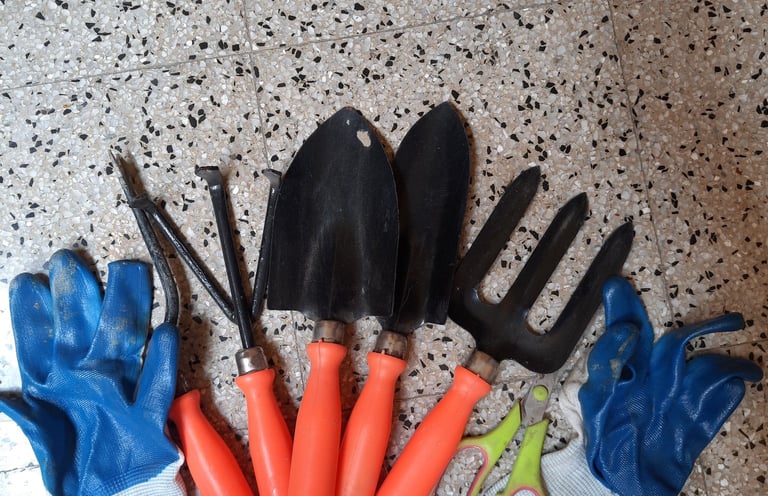
Always use clean, sharp tools when pruning for best results.
Regular pruning keeps your plants healthy:
Remember, moderation is key—over-fertilizing can harm your plants!
Fertilize during the growing season (spring and summer) about once a month.
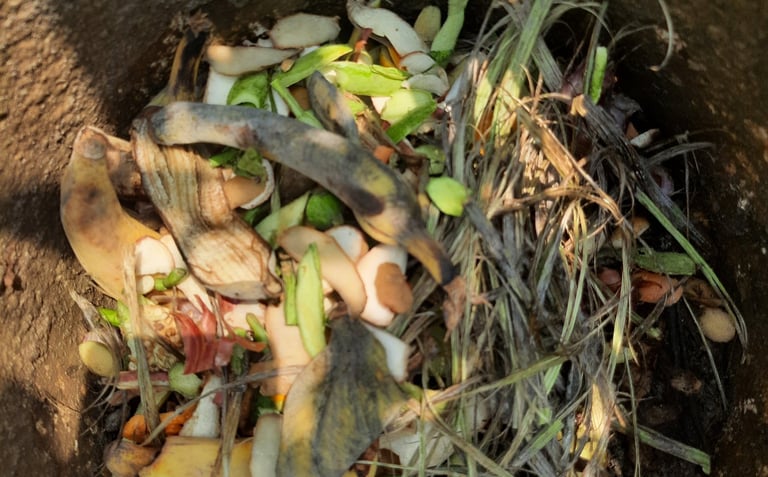
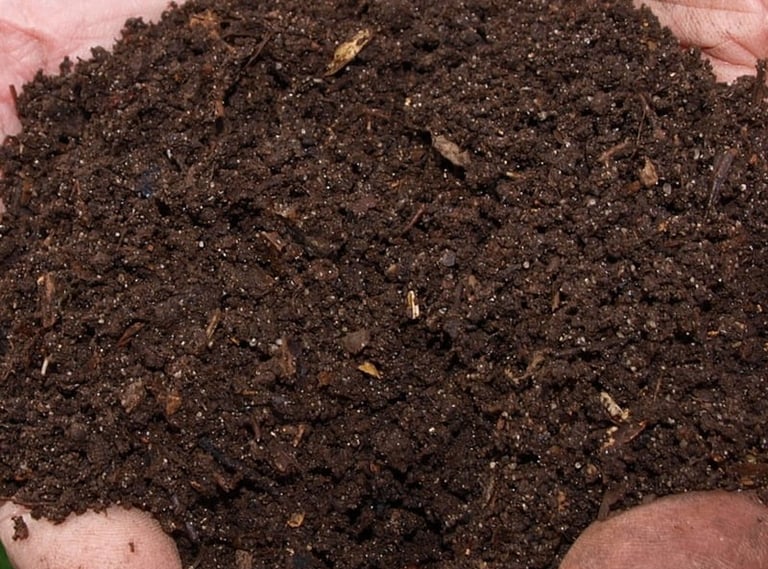
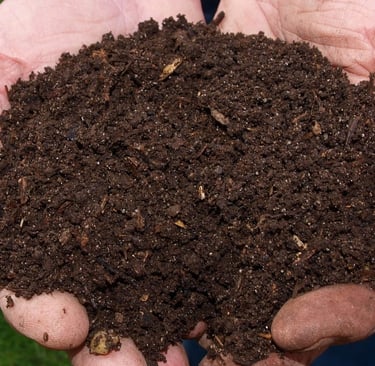
Use organic options like compost or worm castings for natural nourishment.
Regularly check on your plants as you would with friends.
Experiment with different species and arrangements.
Engage with the plant community for shared experiences and advice.
Be patient; growth takes time—enjoy every step of the process!

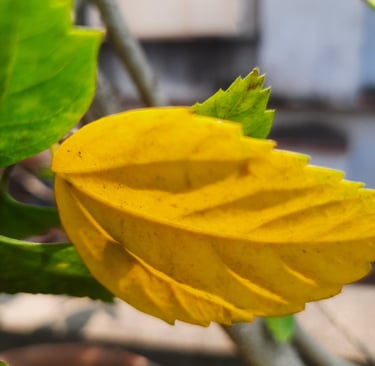

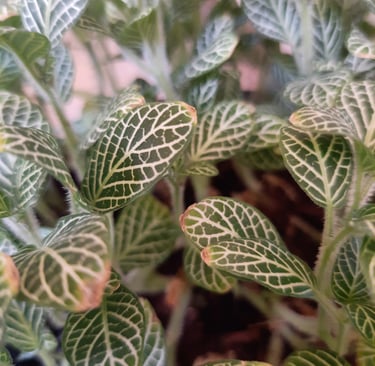
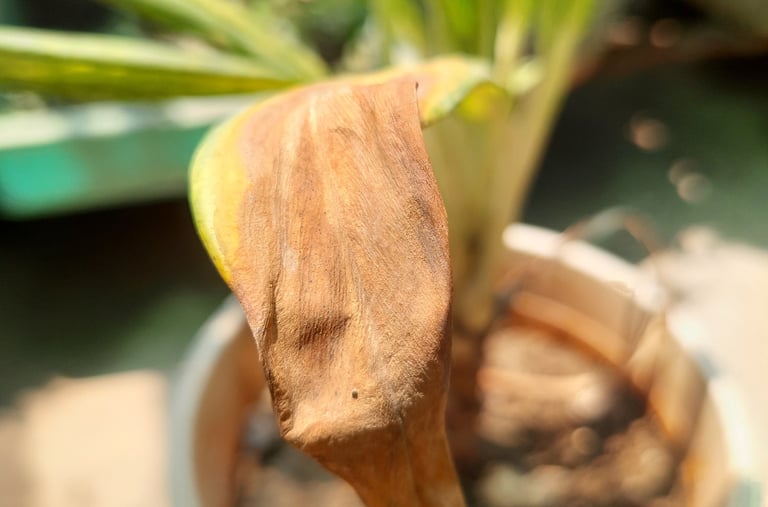



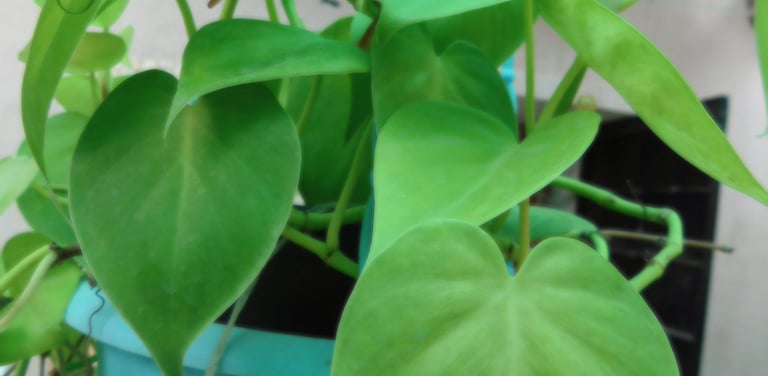
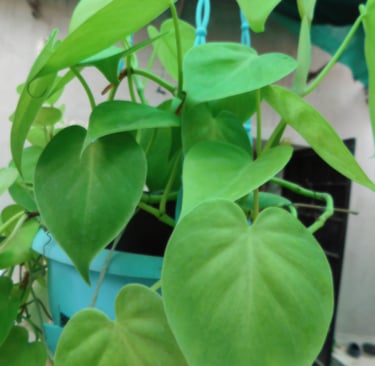
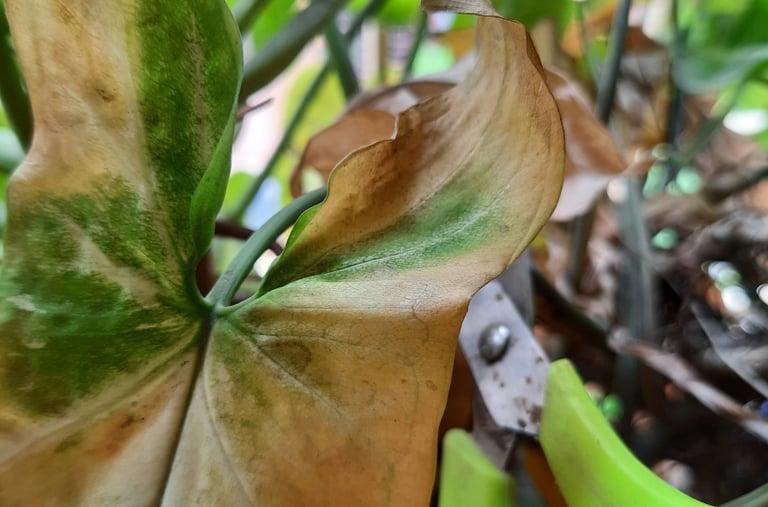
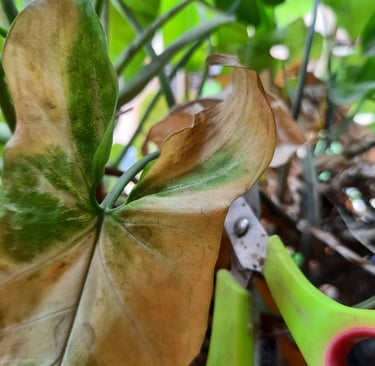



Yellow Leaves: Often indicate overwatering; let the soil dry out between waterings.
Brown Tips: May suggest underwatering or too much direct sun exposure.
Leggy Growth: Indicates insufficient light; consider relocating your plant.
Pest Infestation: Regularly inspect for pests and treat with neem oil if necessary.
Pruning; the essential haircut
Troubleshooting Common Plant Problems
The Joy of Being a Plant Parent
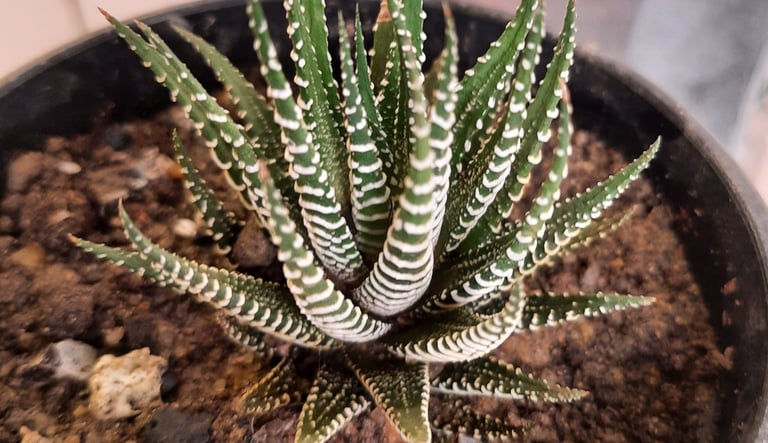
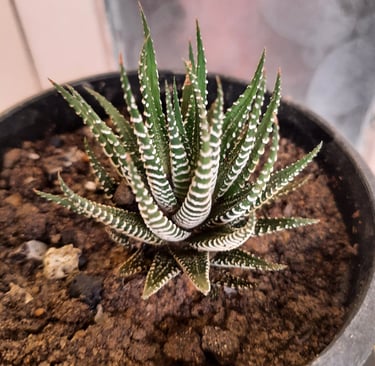
zebra succulents
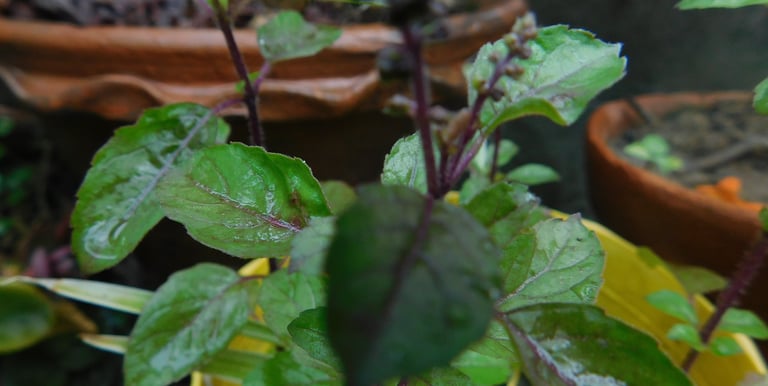
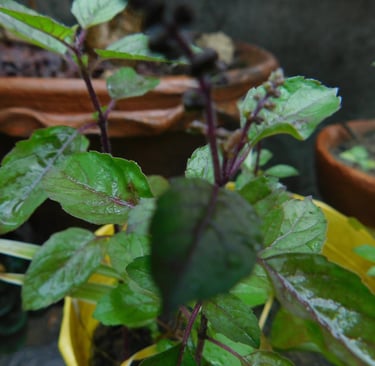
Basil
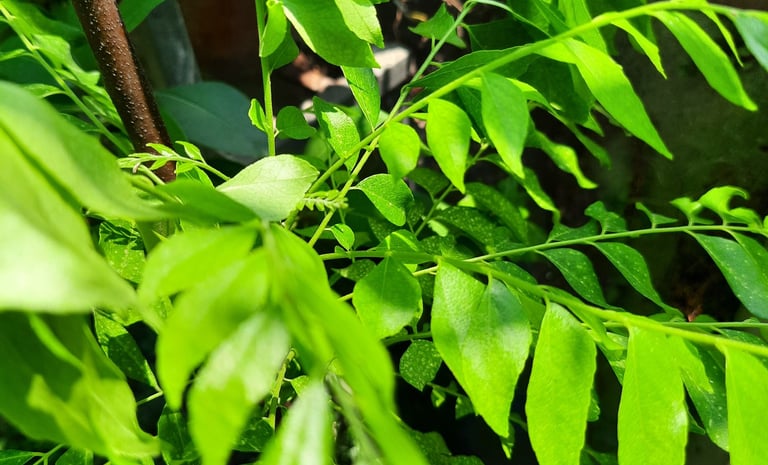
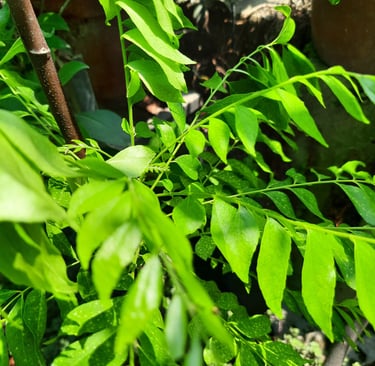
curry leaves
cactus
Bougainvillea
Spider plant
pothos
Snake plant
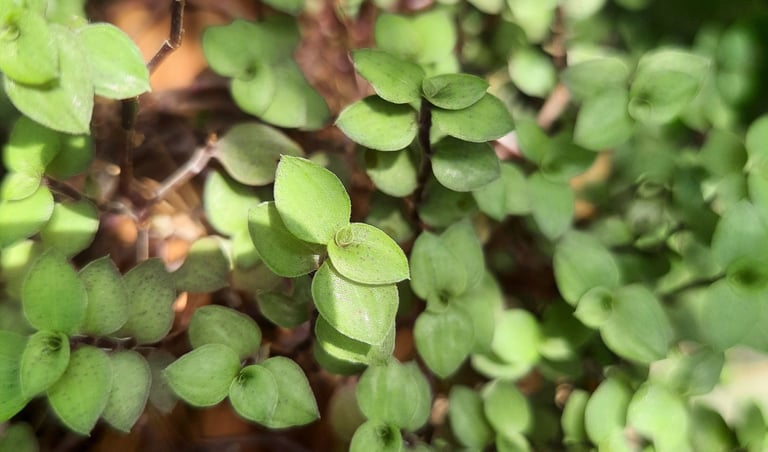
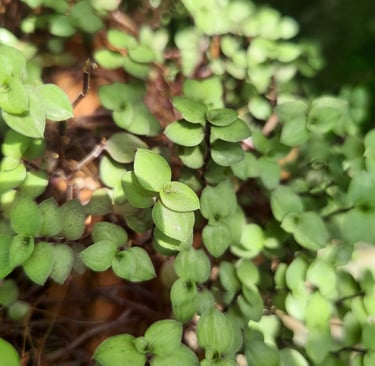
Turtle vine
Rubber plant
ZZ plant
Snake plant
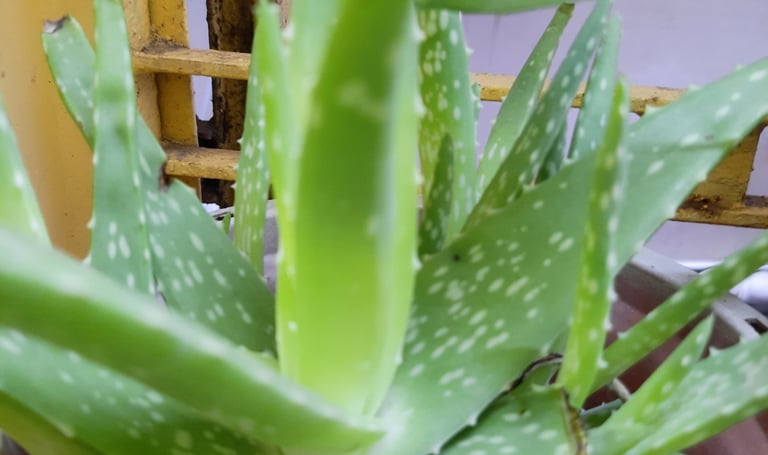
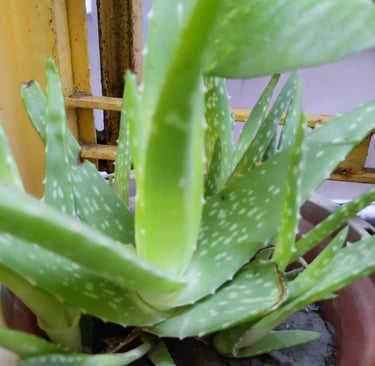
Alovera
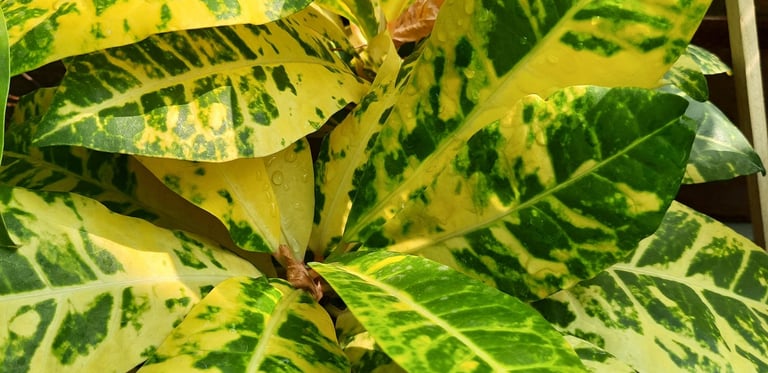
Croton
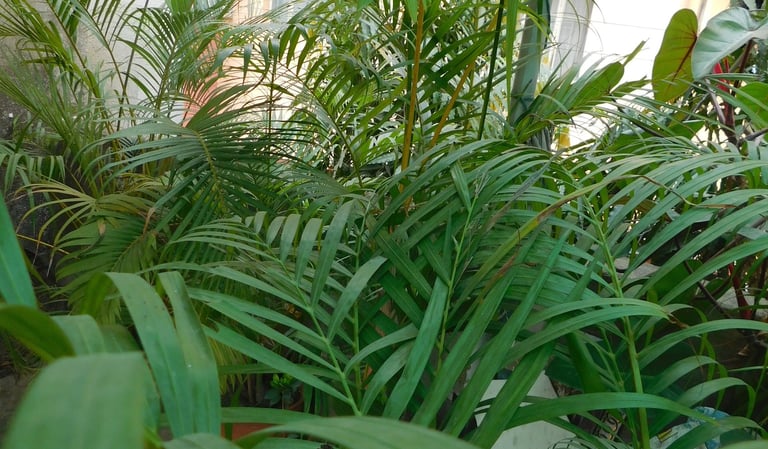
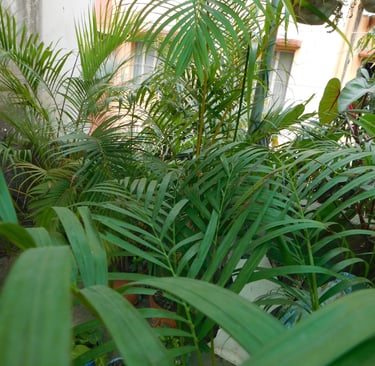
Areca palm
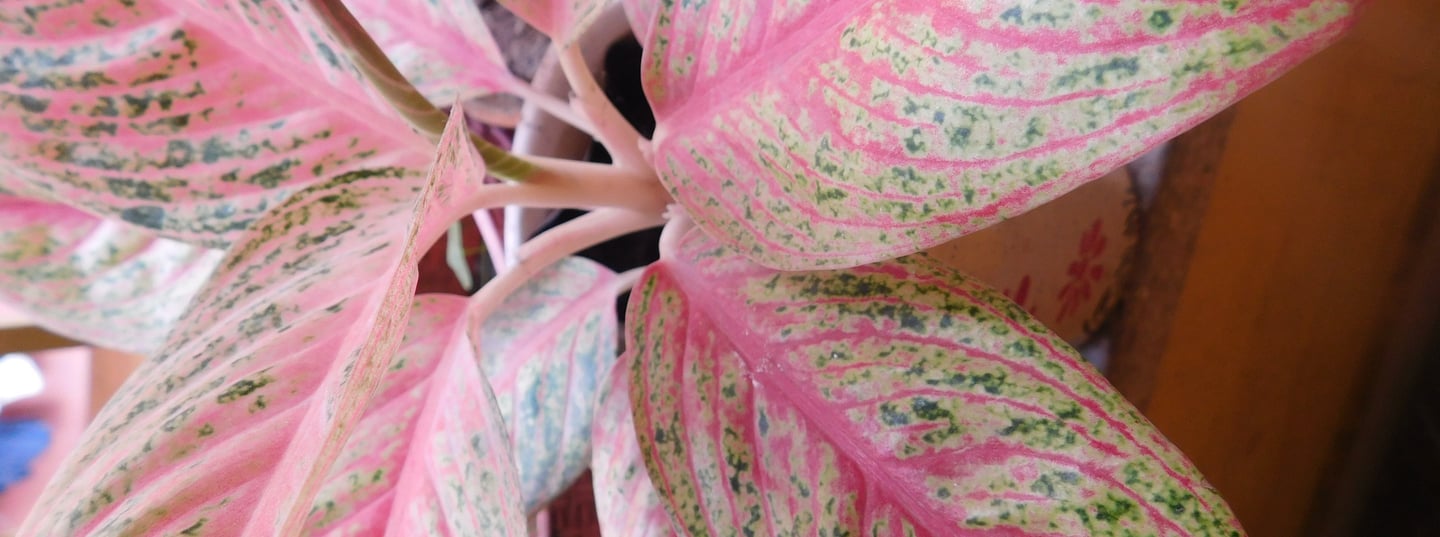
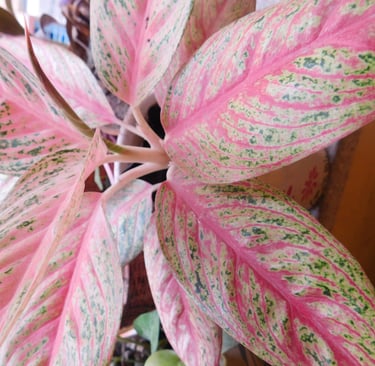
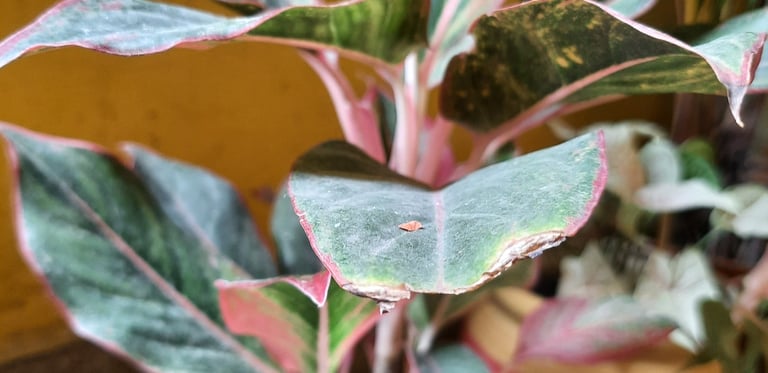
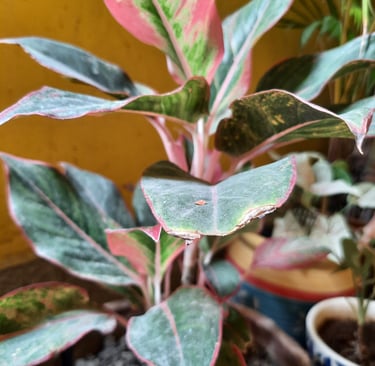
Agleonima
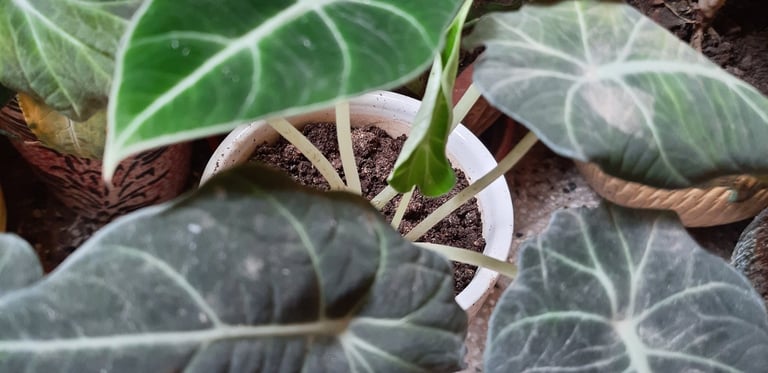
Alocasia black velvet
Zebra Haworthia
Kichen compost
cow dunk
Nurture
Explore plants for every Indian home climate.
Care
Decor
© 2024. All rights reserved.
BLOG
contact : +91 9830917458
plantpaathshala@gmail.com