

Choose a right container for plants.
Choosing the right container for your plants is essential for healthy growth. Consider size, material, drainage, and style to ensure your plants thrive. The perfect pot balances aesthetics and functionality, providing sufficient space and airflow to roots. Make your garden flourish with the ideal container choice!
soma roy
11/9/20255 min read
Why you need right container of your plant?
What type of container would you choose for what type of plant?
What type of container supports your plant growth and health?
Choosing the right container for your plants is crucial for their growth and overall health. In India, where diverse climatic conditions and a variety of plant species exist, selecting the appropriate container can make all the difference. This guide explores essential factors to consider when choosing plant containers, ensuring your gardening endeavors are successful and rewarding.
Container color significantly influences plant growth, particularly in the context of Indian climates, where temperatures can be high. The primary effect of container color is its impact on soil temperature, which in turn affects root health and overall plant growth.
Temperature Variations by Color
Darker Containers:
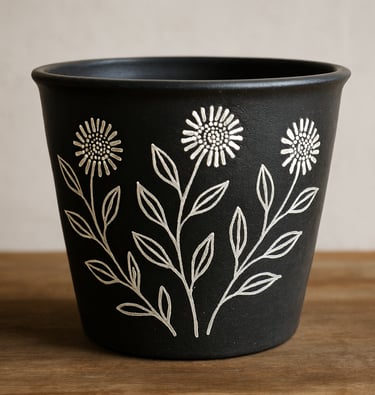
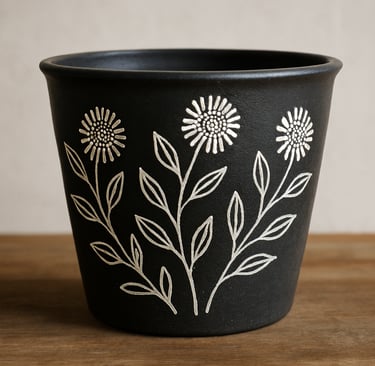
Research indicates that darker-colored containers, especially black, absorb more solar radiation, leading to higher soil temperatures. For instance, studies have shown that black containers can reach temperatures as high as 50.3 °C on their sun-facing sides, which can severely stress heat-sensitive plants.
Lighter Containers:
Conversely, lighter-colored containers, such as white or silver, reflect more sunlight and maintain lower soil temperatures. In experiments, plants grown in white containers exhibited up to 2.5 times greater root density compared to those in black containers due to the cooler substrate temperatures.
Implications for Plant Growth
Heat-Sensitive Species:
Plants that are sensitive to heat, such as certain flowering species and vegetables, benefit from being planted in lighter-colored containers. This choice can mitigate heat stress and promote healthier root systems. For example, azaleas and bush beans showed better growth metrics when cultivated in white pots compared to black ones .
Heat-Tolerant Species:
While heat-tolerant species may not show as pronounced differences in growth based on container color, the overall trend suggests that even these plants can perform better in lighter-colored pots under extreme heat conditions
Practical Recommendations for Indian Climates
Given the high temperatures typical of many regions in India:
Choose White or Light-Colored Containers:
For optimal growth of heat-sensitive plants, using white or light-colored containers is advisable.
Consider Insulating Options:
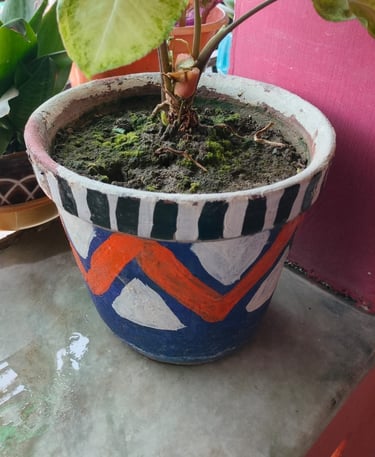
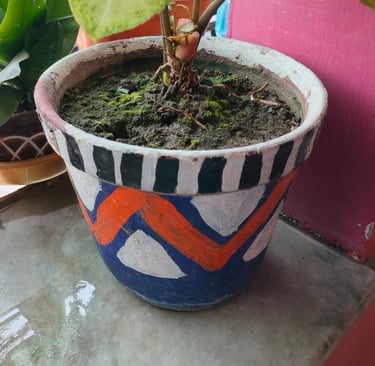
If darker containers are preferred for aesthetic reasons, consider painting them white or using insulating materials to reduce heat absorption.
Understanding Container Types
When selecting a container, it's important to understand the various types available:
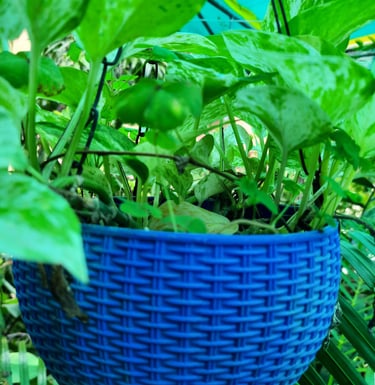
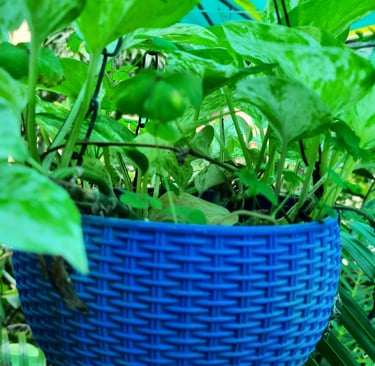
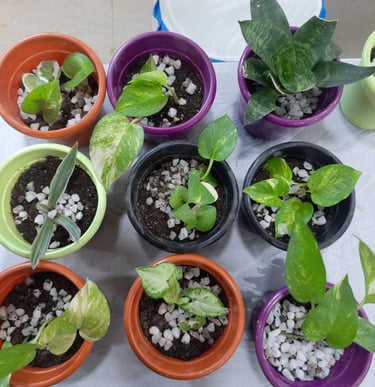
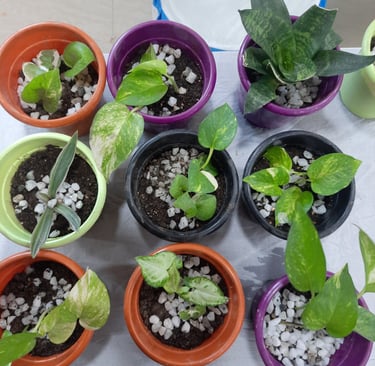
Plastic Containers: Lightweight and affordable, plastic pots are ideal for beginners. They retain moisture well but can heat up quickly in direct sunlight.
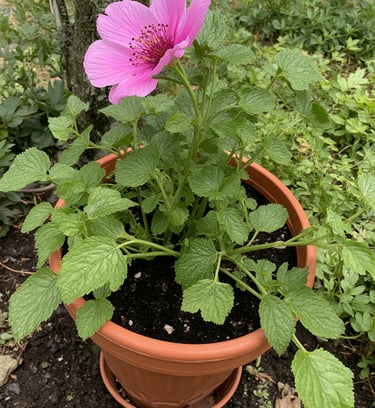
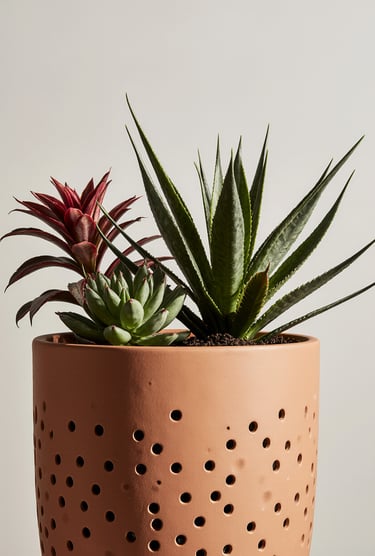
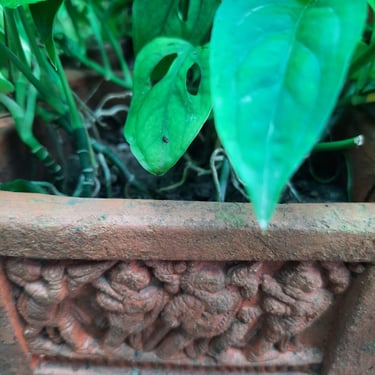
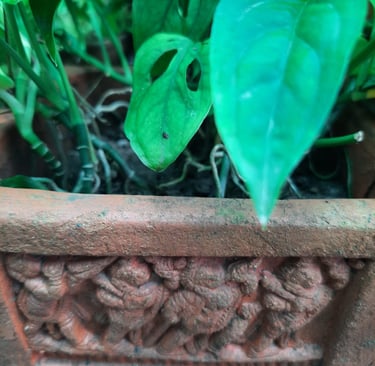
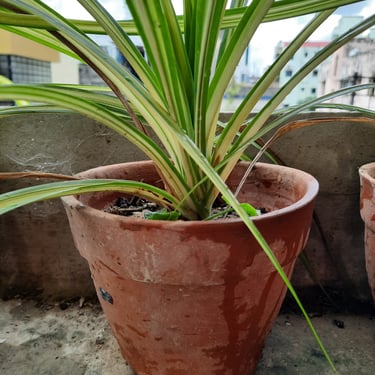
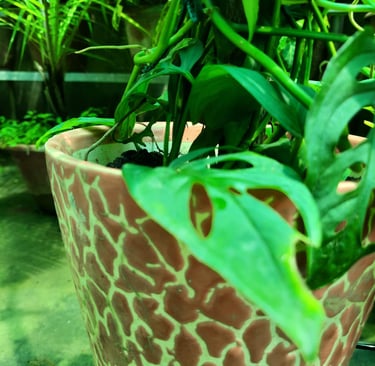
Terracotta Pots: These pots are made from baked clay and have a natural texture that many plant owners find appealing. The porous nature of terracotta allows air and water to circulate through the walls, reducing the risk of root rot. However, they require more frequent watering due to constant seepage and are prone to breakage.
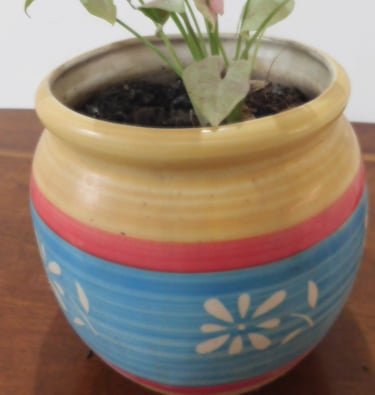
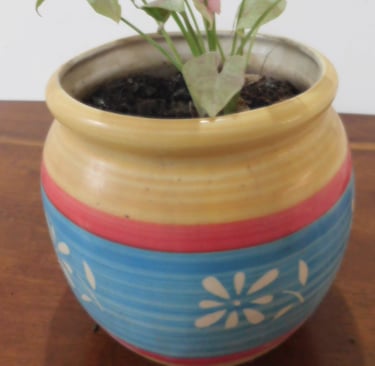
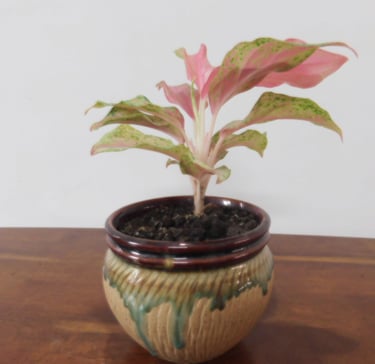
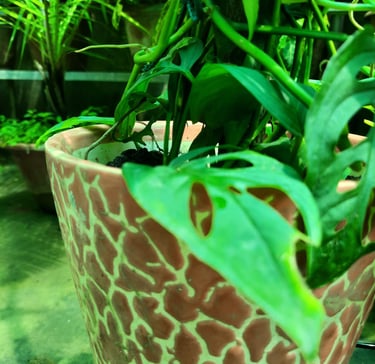
Ceramic Pots: Glazed ceramic pots offer aesthetic appeal and are available in various colors and designs. However, they can be heavy and may not provide adequate drainage unless properly designed.
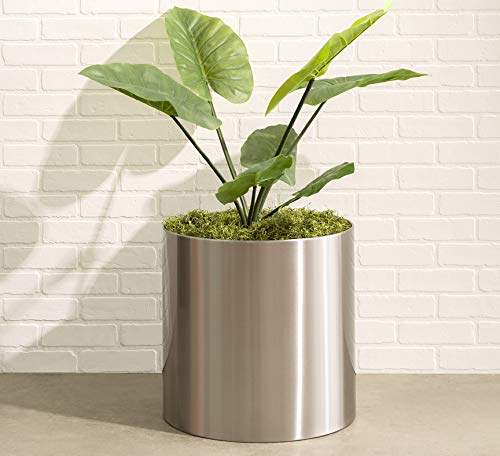
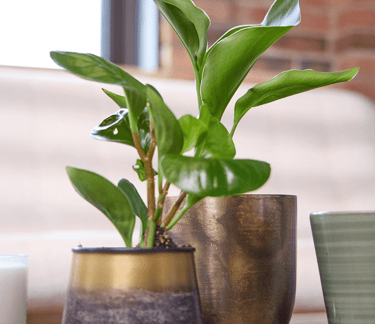
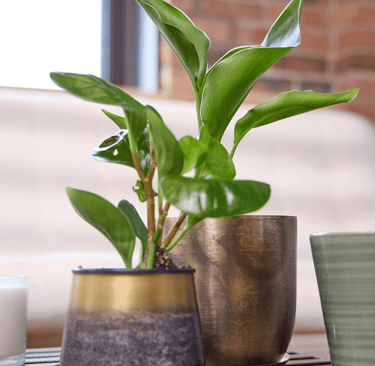
Metal Containers: While stylish, metal pots can heat up quickly and may not be suitable for all plants. They require careful monitoring of moisture levels.
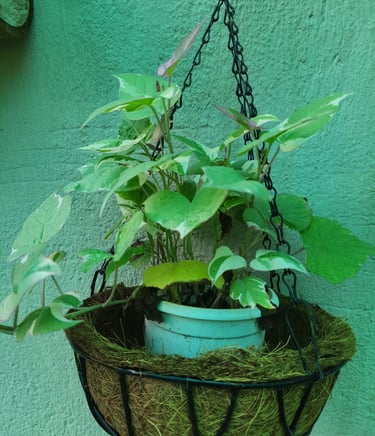
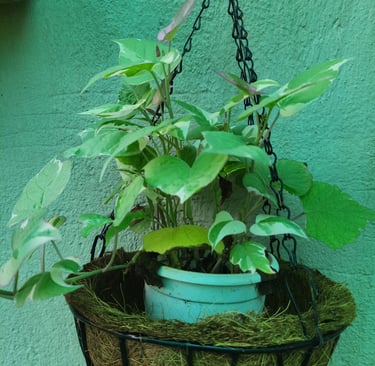
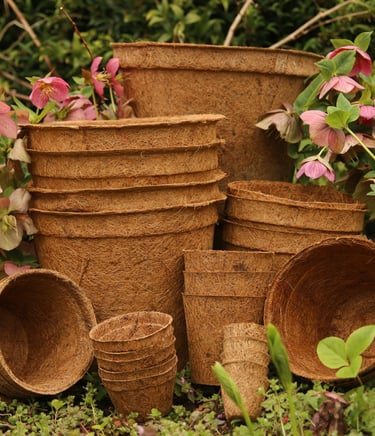
Coir: Coir is an environmentally friendly, biodegradable material derived from coconut fiber. Coir pots allow for direct planting into the soil and have high permeability, which aids in air and water circulation. They are naturally antibacterial and fungal-resistant, making them ideal for seasonal growing and storage. Some coir pots may have a high salt content, which can affect water and nutrient absorption.
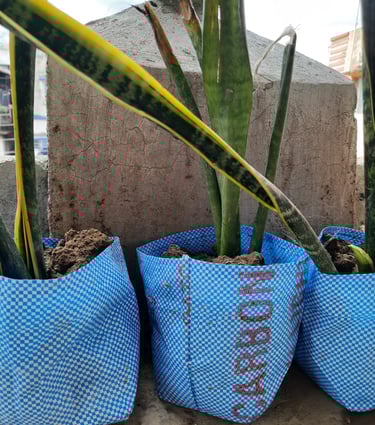
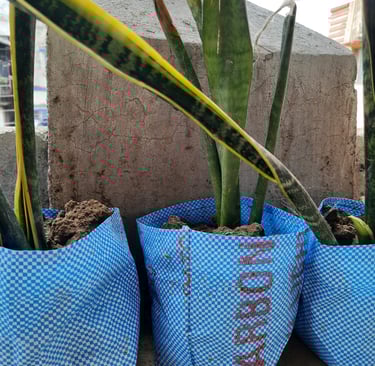
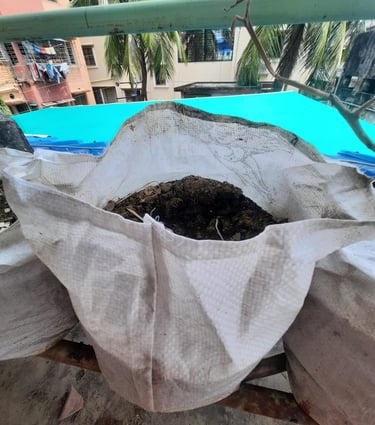
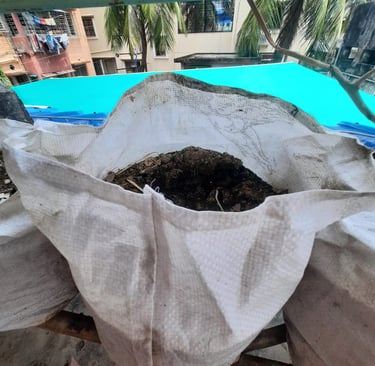
Grow Bags/Fabric Raised Beds: Made from lightweight, breathable fabric, grow bags are an affordable option suitable for growing vegetables and shallow-rooted plants.
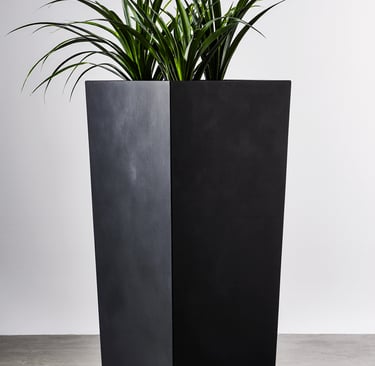
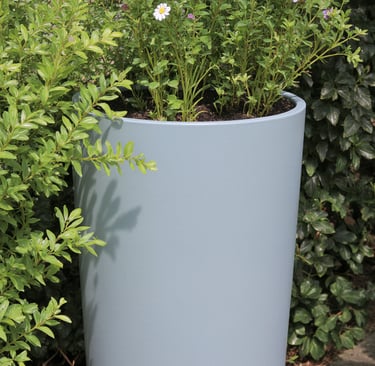
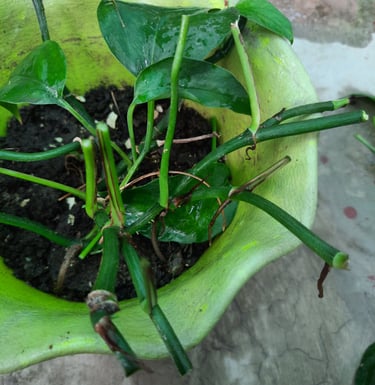
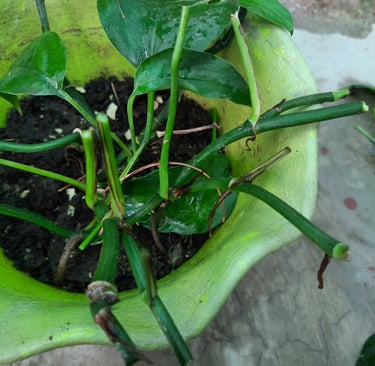
Fiberglass: Fiberglass is a durable and versatile material made by combining spun glass fibers with resin. Fiberglass pots are suitable for both indoor and outdoor use, resistant to weather, UV rays, and shattering. They are also lightweight and customizable in terms of color.
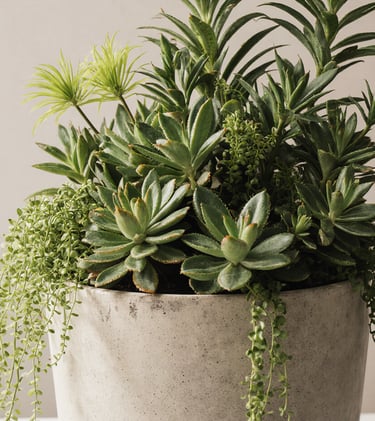
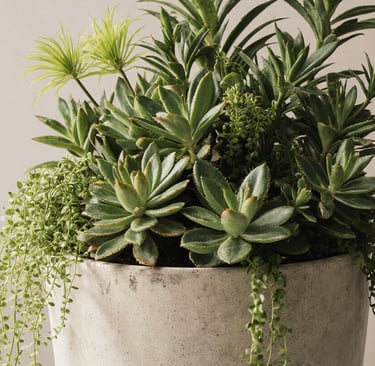
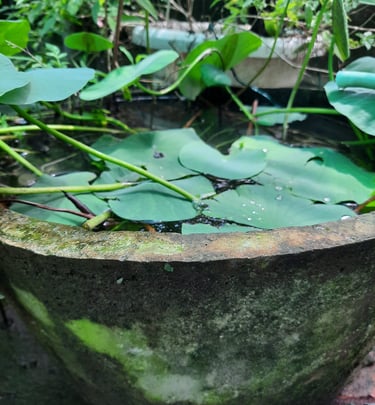
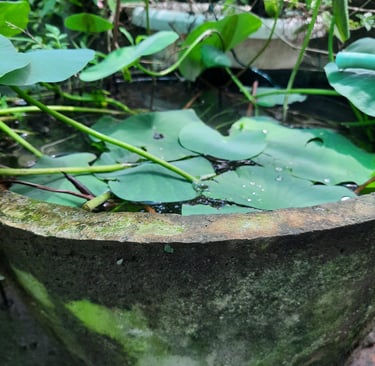
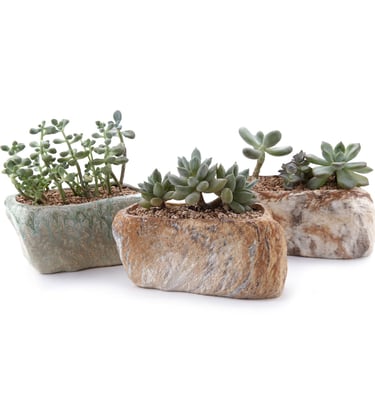
Concrete and Stone: Concrete pots are porous, allowing water to absorb or evaporate readily, making them ideal for succulent plants. They are durable and suitable for outdoor use, especially in areas with high winds.
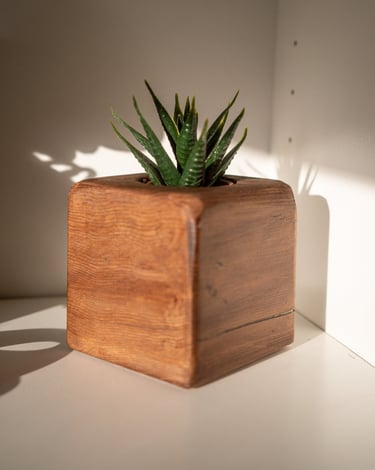
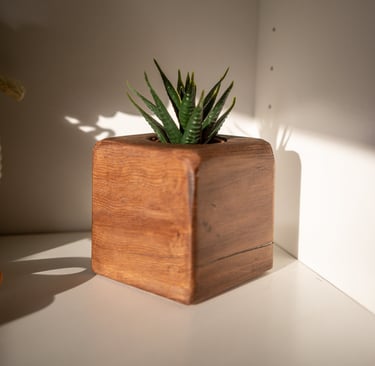
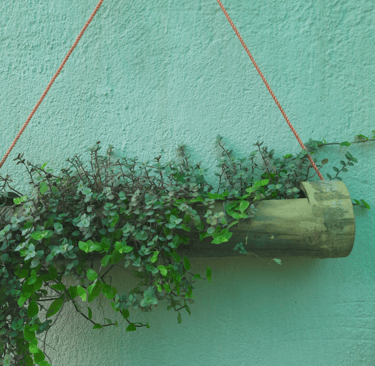
Wood: Wooded containers are often made from rosewood, cedar, hemlock, fir, or pine. Bamboo pots are extremely lightweight. The wood is treated to increase its waterproofing and strength.
Conclusion
Selecting the right container is fundamental to successful gardening in India. By considering factors such as size, material, drainage, color, and aesthetic appeal, you can create an environment that fosters healthy plant growth. Remember to monitor your plants regularly and adjust care based on their specific needs. With thoughtful planning and execution, your container garden will thrive beautifully!
Thank you. keep the plant healthy and you stay healthy.










Nurture
Explore plants for every Indian home climate.
Care
Decor
© 2024. All rights reserved.
BLOG
contact : +91 9830917458
plantpaathshala@gmail.com